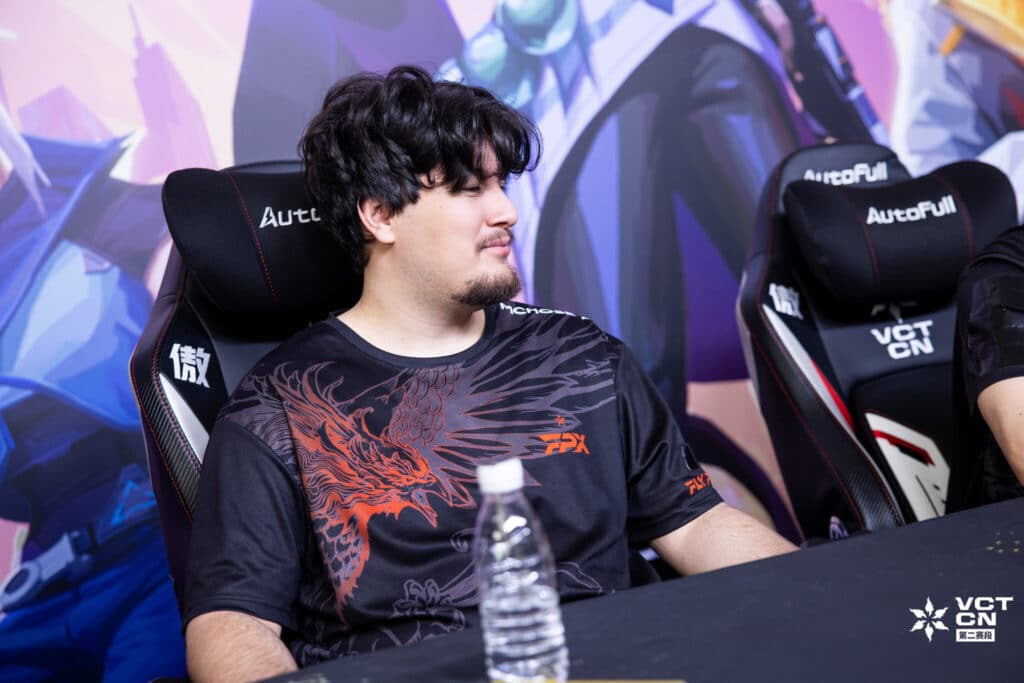
The termination of VALORANT IGL Blendi "kovaQ" Kovaci highlights a systemic challenge: many young esports pros lack crucial professional conduct training.
On August 28th, the VCT China organization FunPlus Phoenix (FPX) announced it had severed all ties with its VALORANT In-Game Leader (IGL) and controller player, Blendi "kovaQ" Kovaci. The decision came after kovaQ allegedly made "inappropriate remarks while communicating with teammates during a game." FPX conducted an internal investigation, collaborating with Riot Games, before making the termination public.
Following the organization's statement, kovaQ issued his own apology. He acknowledged sending something inappropriate to a teammate, stating, "In that moment, I meant it as a joke, but looking back at it, I deeply regret ever writing it." He took full responsibility for his actions, thanking FPX for the opportunity to be part of the project. His public apology was posted on August 28, 2026.
This incident is not isolated, but rather part of a recurring pattern within the esports industry. It underscores a significant challenge for organizations: while players excel at competition, they often lack the necessary training in professional conduct and public relations, according to reporting by Esports Insider.
Recurring Misconduct: A Broader Esports Problem
Professional esports demands exemplary conduct, both on stage and off. However, instances of players failing to uphold these standards in real-life interactions are frequent. A single moment of poor judgment can lead to severe consequences, including roster cuts, suspensions, lost sponsorships, and even the premature end of a career, leaving players with significant regret.
Several high-profile cases illustrate this pattern. In 2023, Japanese VALORANT player Kim "TenTen" Tae-young was fired by NORTHEPTION and later suspended for four VCT matches by Riot Games after making racist remarks during a ranked match. Similarly, Overwatch League player Park "Viol2t" Min-ki faced fines and suspension from the San Francisco Shock in 2020 for repeated toxic slurs on stream.
The financial impact of such behavior can be immense. Team Liquid experienced a massive loss when Honda terminated a six-year sponsorship deal. This followed an inappropriate post by their Rainbow Six player Lucas "DiasLucasBr" Dias, which was insensitive towards Japanese players. Even interactions with media can be problematic, with some players displaying disrespect towards journalists during press conferences.
From Gamer to Pro: The Sudden Shift in Esports
A core issue stems from the rapid transition many young individuals make from avid gamers to professional esports athletes. Many players begin their professional careers at a young age, having spent most of their formative years communicating online through platforms like Discord, streams, and social media rather than in traditional social settings. This abrupt shift to a highly public role often comes with little preparation.
Esports organizations frequently prioritize mechanical skill, in-game knowledge, and competitive results above almost everything else. Soft skills such as communication, public speaking, and appropriate social behavior often receive secondary attention. This oversight means that PR teams often only become involved after an incident has occurred and the community is already upset, reacting rather than proactively educating.
Suddenly, a teenager who was just playing ranked games from their bedroom is representing an organization, facing thousands of fans. They are expected to handle interviews, appear on broadcasts, livestream regularly, maintain an active social media presence, and fulfill sponsorship deals—all without adequate training. The unfiltered, often toxic, nature of competitive gaming environments does not naturally equip players for professional communication.
Beyond Punishment: The Need for Proactive Player Education
Inappropriate behavior by one team member has far-reaching consequences, affecting not only the individual but also their teammates, the organization, and crucially, sponsors. Sponsors seek more than just viewership numbers; they aim to build meaningful connections with the community. Therefore, the public image of both players and organizations is paramount. In the digital age, even a minor mistake or controversy can go viral almost instantly, as seen in the recent incident involving Hector "FrosT" Rosario and Global Esports.
While extensive programs mirroring traditional sports may not be feasible for all, organizations can implement regular training sessions. These sessions should cover vital areas such as handling criticism, understanding when to respond publicly or remain silent, and crisis communication. Such training can equip players with the tools to navigate their public roles effectively.
Progress is being made, with clauses related to professional codes of conduct now common in contracts and tournament organizers actively punishing breaches. Many organizations also work with sports psychologists to support players and staff. The ultimate goal, however, should be to foster empathy, encourage genuine accountability, and help players understand their mistakes to prevent future recurrence, focusing on guidance rather than solely on punishment.
Frequently Asked Questions
What led to FunPlus Phoenix terminating kovaQ?
FunPlus Phoenix terminated its VALORANT IGL, Blendi "kovaQ" Kovaci, on August 28th after he made "inappropriate remarks while communicating with teammates during a game." The decision followed an internal investigation conducted in cooperation with Riot Games.
Why do esports organizations struggle with player conduct?
Many esports organizations prioritize mechanical skill and game performance over soft skills like communication and professional behavior. Players often enter professional esports at a young age, lacking formal training for public roles, interviews, and brand representation, leading to a disconnect between their gaming habits and professional expectations.
What are the consequences for esports players with poor conduct?
Poor conduct can lead to severe consequences for esports players, including roster cuts, team suspensions, significant financial penalties, the loss of lucrative sponsorships for their organizations, and in some cases, the premature end of their professional careers, alongside reputational damage.
How can esports organizations improve player behavior?
Esports organizations can improve player behavior by implementing proactive professional conduct training sessions. These should cover topics like handling criticism, crisis communication, media interaction, and fostering empathy, moving beyond mere punishment to genuinely educate players on accountability and appropriate public conduct.