Nigeria Launches ATLAS Network for Language Preservation via AI
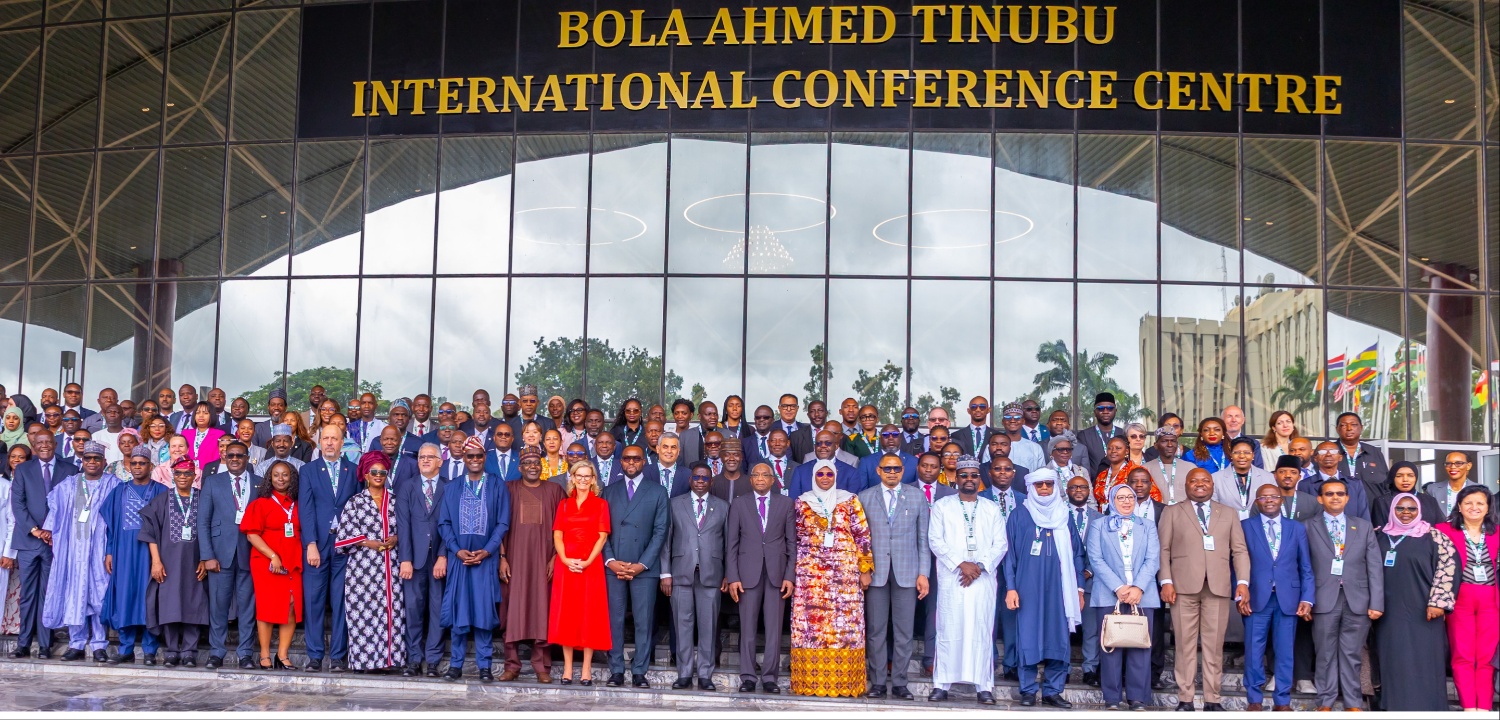
During a recent African Telecommunications Union (ATU) Conference in Abuja, Nigeria's Executive Vice-Chairman of the Nigerian Communications Commission (NCC), Dr Aminu Maida, emphasized the importance of collaborative efforts among African nations to shape their digital future. The key initiative is the launch of the ATLAS network, an ambitious effort to develop large language models and AI technologies tailored to indigenous African languages.
The ATLAS Network was unveiled by Deputy Chief of Staff in the Office of the Vice President, Senator Ibrahim Hadeija, at a gathering of telecommunications regulators from across the continent. This development is seen as crucial for preserving cultural heritage through technological means, ensuring that African voices are heard globally.
According to Dr Tijani, Nigeria’s Digital Minster, this network will specifically target developing AI systems relevant to Africa's unique linguistic and cultural contexts. The ministry aims to foster innovation and collaboration among governments, researchers, academia, and technology partners across the continent.
The ATLAS initiative underscores how key digital technology has become in driving economic growth, public service delivery, and youth empowerment. With Nigeria taking a leading role, African nations aim to set a benchmark for responsible AI governance and digital infrastructure development.
Frequently Asked Questions
What is the ATLAS network?
The ATLAS network is an initiative by Nigerian authorities aimed at developing AI technologies that are tailored to specific African languages. The goal is to preserve these linguistic treasures in a digital era.
Why was it launched now?
This move comes as part of Nigeria’s commitment to Africa's digital future and global influence, with plans for the network to play a vital role in the upcoming ITU Plenipotentiary Conference in 2026.
How will it impact Africa?
The ATLAS project is expected to significantly boost linguistic diversity and cultural preservation on the continent, contributing to a more inclusive global digital community.