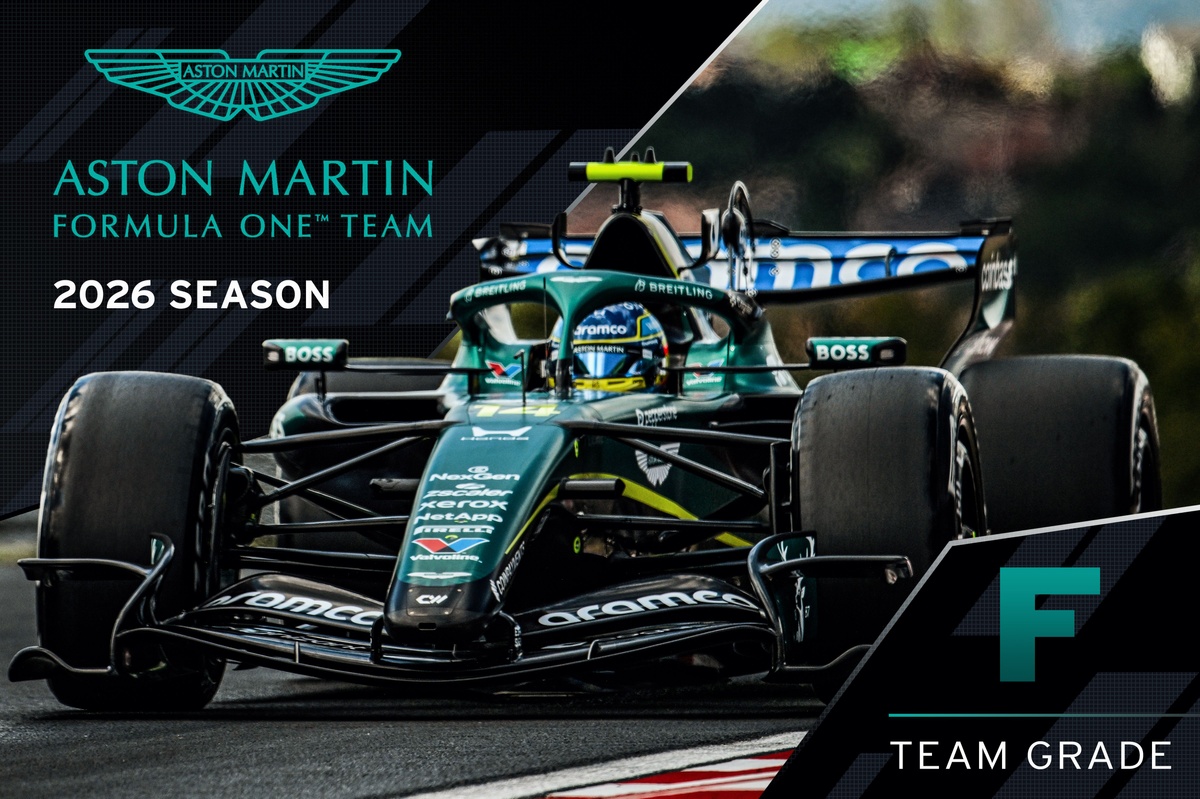
Aston Martin's F1 superteam, led by Adrian Newey, sees its 2026 ambitions falter amid development delays and Honda engine struggles.
Formula 1 powerhouse Aston Martin entered the 2026 season with sky-high expectations, poised to challenge for top honors. Under the visionary leadership of owner Lawrence Stroll and with design maestro Adrian Newey at the helm of a new state-of-the-art headquarters, the team was built to dominate the sport's upcoming rules reset.
However, reality has delivered a stunning blow. What was anticipated to be a groundbreaking era has instead commenced with a surprisingly poor performance, leaving the team far from their initial championship aspirations.
This unexpected struggle stems from critical internal setbacks, including significant delays in their 2026 car development and persistent challenges faced by their engine supplier, Honda, according to reporting by Motorsport.com - F1.
High Hopes for Aston Martin's F1 Future
Lawrence Stroll's ambitious vision for Aston Martin Racing saw the assembly of a formidable "superteam" intended to shake up Formula 1. The strategic recruitment of design guru Adrian Newey was a cornerstone of this plan, signaling a serious intent to leverage the new 2026 regulations for a competitive advantage.
The team's significant investment in a brand-new, state-of-the-art headquarters further underscored their commitment to becoming a dominant force. With a comprehensive technical overhaul and top-tier personnel, many observers believed Aston Martin was perfectly positioned for a strong championship bid in the upcoming era.
The 2026 rules reset was specifically identified as a prime opportunity for Aston Martin to make a dramatic leap forward, leaving behind previous midfield positions and challenging the established front-runners.
Unexpected Setbacks Jeopardize 2026 Campaign
Despite the immense talent and resources poured into the project, Aston Martin's start to the F1 2026 season has been shockingly poor. This performance stands in stark contrast to the widespread optimism that surrounded the team's preparations.
A primary factor contributing to this difficult beginning is the significant delay in the team's 2026 development program. Such delays can have a cascading effect, impacting crucial testing, data collection, and overall car performance, especially with complex new regulations looming.
The team's internal expectations were shattered by the reality of their initial rollout, forcing a re-evaluation of their immediate competitive prospects. This early stumble puts immense pressure on the team to find solutions quickly for their Aston Martin F1 car development.
Honda Power Unit Challenges for Aston Martin
Compounding Aston Martin's internal development issues are the struggles faced by their engine partner, Honda. The performance and reliability of the power unit are paramount in modern Formula 1, directly influencing a car's overall speed and championship potential.
Honda's difficulties are impacting Aston Martin's ability to maximize their chassis design and aerodynamic packages. A suboptimal power unit can effectively negate even the most innovative car designs from talents like Adrian Newey, presenting a substantial hurdle for Aston Martin F1's 2026 prospects.
Addressing these joint challenges, both internal development and external supplier performance, will be crucial for Aston Martin to salvage their 2026 campaign and avoid a prolonged period of underperformance in the F1 championship. The team needs to overcome these Honda F1 engine performance issues.
Frequently Asked Questions
What were Aston Martin's initial F1 2026 expectations?
Aston Martin was widely expected to take Formula 1 by storm in 2026, following significant investment by owner Lawrence Stroll, the recruitment of design guru Adrian Newey, and the opening of a new state-of-the-art headquarters.
Who is Adrian Newey and what is his role at Aston Martin F1?
Adrian Newey is a renowned Formula 1 design guru. He was brought into Aston Martin as a key figure in assembling a "superteam" at their new headquarters, aiming to capitalize on the 2026 rules reset and enhance the Aston Martin F1 car design.
What factors are causing Aston Martin's struggles in F1 2026?
Aston Martin's unexpectedly poor start to the 2026 F1 season is attributed to significant delays in their internal development program and ongoing performance challenges experienced by their engine supplier, Honda.
Is Lawrence Stroll still committed to Aston Martin F1's success?
Yes, Lawrence Stroll remains the driving force behind Aston Martin's F1 aspirations. His vision for a "superteam" and investment in new facilities show a long-term commitment despite the current setbacks in the F1 2026 season.