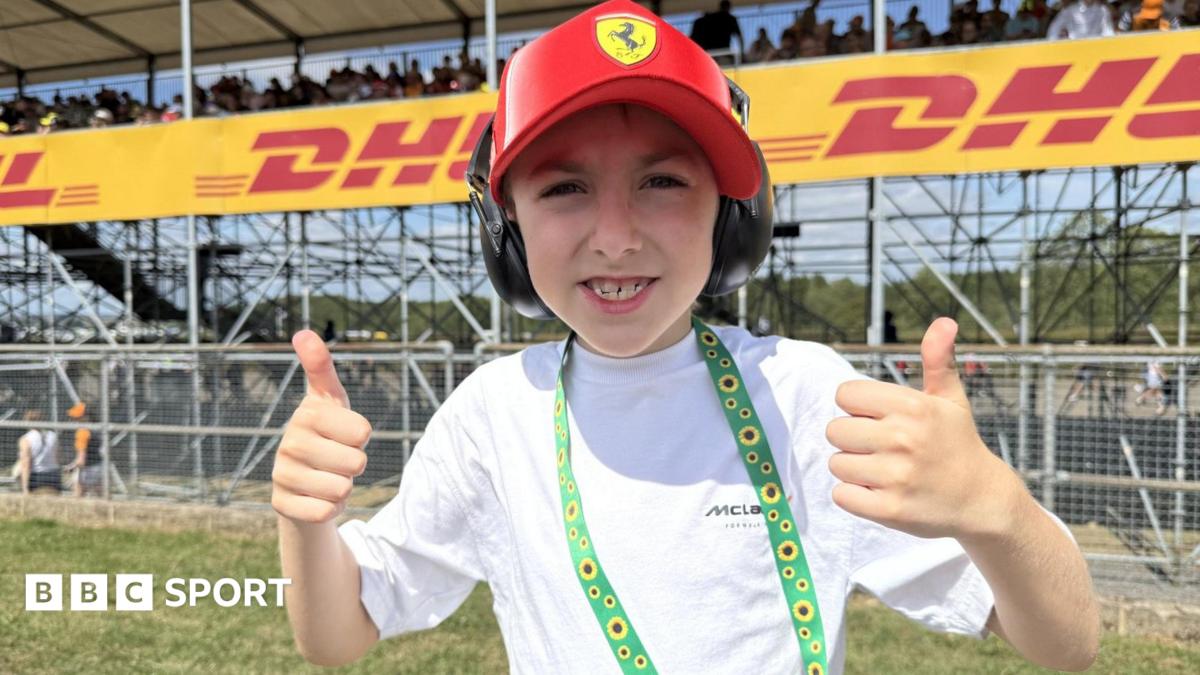
The challenges and triumphs of navigating a family day out at Silverstone Circuit
At Silverstone, the Formula 1 British Grand Prix is an assault on the senses for all. For 9-year-old Joshua, however, it's a complex sensory experience—made clear as he shrieks in panic from a bathroom hand dryer. Joshua has autism and ADHD, conditions that make days out especially challenging for his father. This year marked their second trip to this iconic race track, which has become a home away from home for Joshua due to its welcoming accessibility.
'Why one sound seems unbearable while another provides comfort is difficult to articulate fully,' his dad explains. Despite the roar of F1 engines and the vast crowd noise, it’s the simplest of triggers that pose the biggest obstacles—like the noise from a public toilet hand dryer. The day began with Joshua becoming overwhelmed, but by race time, he had calmed considerably.
According to the National Autistic Society, 700,000 in the UK are autistic adults and children. Awareness is growing, making events like these more accessible than ever. Silverstone has adapted with a special viewing area called Copse Triangle, exclusively for neurodivergent fans. This space provides a controlled environment away from the crowd's hubbub, offering clear views of the track.
Unique Experience for Neurodiverse Fans?
Silverstone recognizes that accommodating these audiences is key to inclusivity. Their Personal Assistance Scheme and special viewing area have transformed their event experience. Louise Broomhall, head of customer service, says accessibility has grown from strength to strength year on year. 'It's so important for us that everybody can attend.'
The Complicated Decision to Go in the First Place
Navigating a day out with an autistic child is rarely straightforward; it’s a rolling risk assessment, from calibration of expectations at home to dealing with emotional dysregulation. For Joshua, car racing has been a lifelong obsession. His dad decided to take him for his first grand prix experience, despite the potential challenges. The accessibility team provided helpful information, aiding Joshua's preparation.
Coming through Autistic Burnout
The day posed various unavoidable triggers. As the British Grand Prix approached, Joshua seemed quiet and withdrawn, affected by the sensory overload. His burnout from the previous day started to show on race morning. The family found ways to navigate these difficulties together. With patience and rest, they were ready for another round of racing excitement.
Frequently Asked Questions
How do events like the British Grand Prix accommodate autistic attendees?
Silverstone Circuit has implemented special viewing areas such as Copse Triangle to provide a controlled environment, away from crowds and noise. The Personal Assistance Scheme offers support for visitors with disabilities.
Why is sensory overload so challenging for autistic individuals at events like the British Grand Prix?
The roar of F1 engines, vibrant crowd noises, and sudden, unexpected sounds can overwhelm autistic attendees. Each event requires careful planning to ensure there are quiet spaces and clear pathways for comfort.