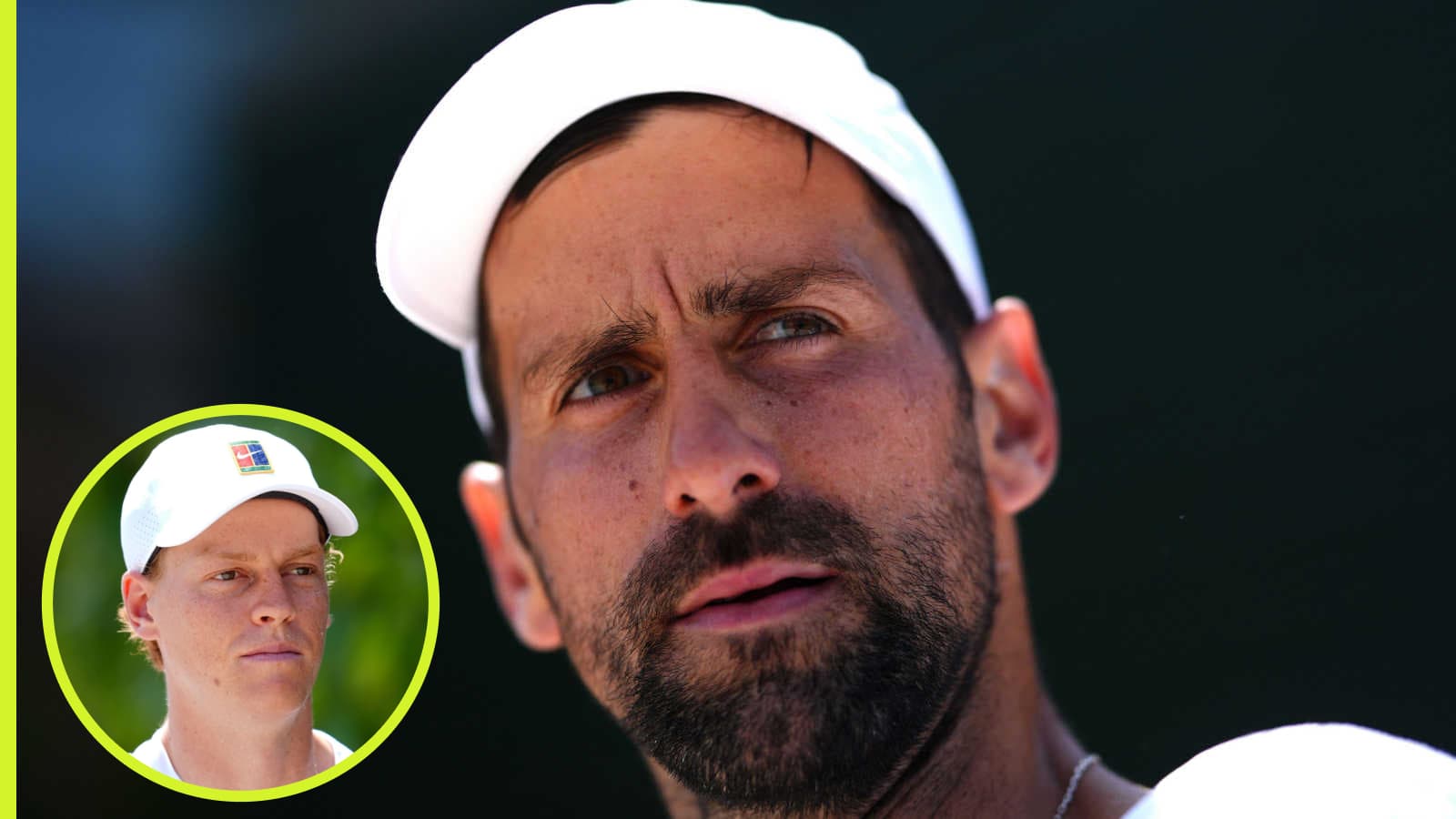
Tennis’ elite players skip key event amid scheduling pressure, ATP weighs options to maintain competition integrity.
With Jannik Sinner and Novak Djokovic joining a growing list of absentees from the upcoming Canadian Open, the sport is grappling with persistent withdrawals. Tournament director Valerie Tetreault acknowledges the issue, saying, “We respect their decisions and understand that, with such a demanding schedule, players’ health must remain the priority.”
However, the frequency of last-minute withdrawals in recent years raises broader issues for fan expectations. Masters 1000 events are among the flagships on the tour, and fans rightfully expect to see the world’s best compete. Tetreault further added that they are already in discussions with the ATP to ensure this matter receives serious consideration.
Would the ATP consider a rule change that could see top players punished if they don’t play in Masters 1000 events? That seems highly unlikely, given the financial incentives the ATP has put in place. The prospect of punishing players by taking ranking points away would cause an internal rift and is not welcome.
How are top stars like Djokovic and Sinner impacting the ATP schedule?
The Canadian Open’s open policy could allow more big names to potentially pull out over the next week, as Andy Murray has already suggested. Top seed Alexander Zverev will be leading in Montreal this year after both Alcaraz and Sinner have passed on playing.
Jannik Sinner says he is prioritizing his health ahead of the upcoming tournaments, but many fans are left questioning the current calendar.Frequently Asked Questions
Why do elite players like Djokovic and Sinner skip Masters events?
Players prioritize their well-being amidst a demanding schedule. Health must remain the priority as these superstars have not been motivated by financial gains for many years.
Will there be rule changes to ensure top players compete?
The ATP is considering various options, but a rule change that punishes withdrawals will likely face resistance. The focus remains on maintaining the current calendar and financial incentives.