Data Shows Massive Engagement Despite Legal Battles
Esports fans can’t get enough of predicting tournament outcomes. Just take the recent Mid-Season Invitational (MSI), where more than 1.7 million players engaged with Riot’s Crystal Ball and Pick ‘Ems tools.
Riot Games released data showing that Crystal Ball, which integrates official match data in real-time, was a big hit among fans. This suggests they’re keen on adding their bets to every event, making each game more crucial for them. “I spend way more time invested in the tournament than usual because of Crystal Ball,” writes one Reddit user.
The same applies to using platforms like Kalshi and Polymarket, where fans can have ‘skin in the game’ by trading outcomes.Riot Games: Engaged Community Leads Engagement
Despite this enthusiasm, some states are trying to clamp down. Washington state could follow Nevada and Michigan in banning prediction markets, issuing a preliminary injunction against Kalshi on Monday. This move comes as fans have shown they want to predict events through various means—Crystal Ball, prediction markets, or betting at sportsbooks.
Why Prediction Markets are Controversial
The argument against these platforms is that they can encourage underage gambling and addiction. A Canadian study showed users who purchase loot boxes (random rewards) are more likely to develop problems including gambling addictions, mental health issues, and other compulsive behaviors.
With games like CS2 dominating the markets, prediction and loot box systems remain a contentious issue in esports.Faker Joins Fight Against Illegal Online Gambling
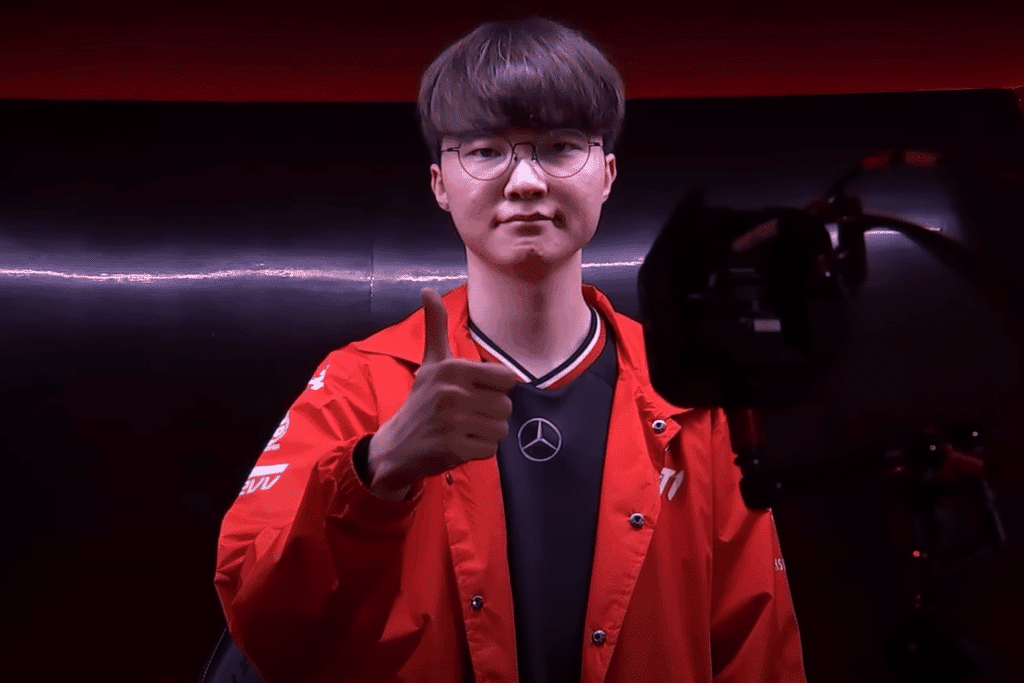
To address this, six-time world champion Lee “Faker” Sang-hyeok has joined the fight against illegal online gambling. As an honorary member of the Korean police, he aims to popularize awareness among teenagers about the dangers of online gambling.
Faker's presence could significantly impact efforts to curb the black market in Korea, which is estimated at over $80 billion.Frequently Asked Questions
How are prediction markets affecting esports viewership and engagement?
Prediction markets like Kalshi and Polymarket give fans a stake in events, increasing their investment and interest. This can lead to more engaged viewers who watch every match closely.
Why is Washington considering banning Kalshi and Polymarket prediction markets?
The state fears these markets could encourage underage gambling and other issues associated with loot boxes, putting pressure on platforms to restrict access or operate legally only through licensed casinos.
Aren’t prediction markets already popular in esports?
Yes, Crystal Ball by Riot Games and other similar tools are widely used. Fans engage intensely during tournaments like MSI, proving the interest is there despite legal challenges.