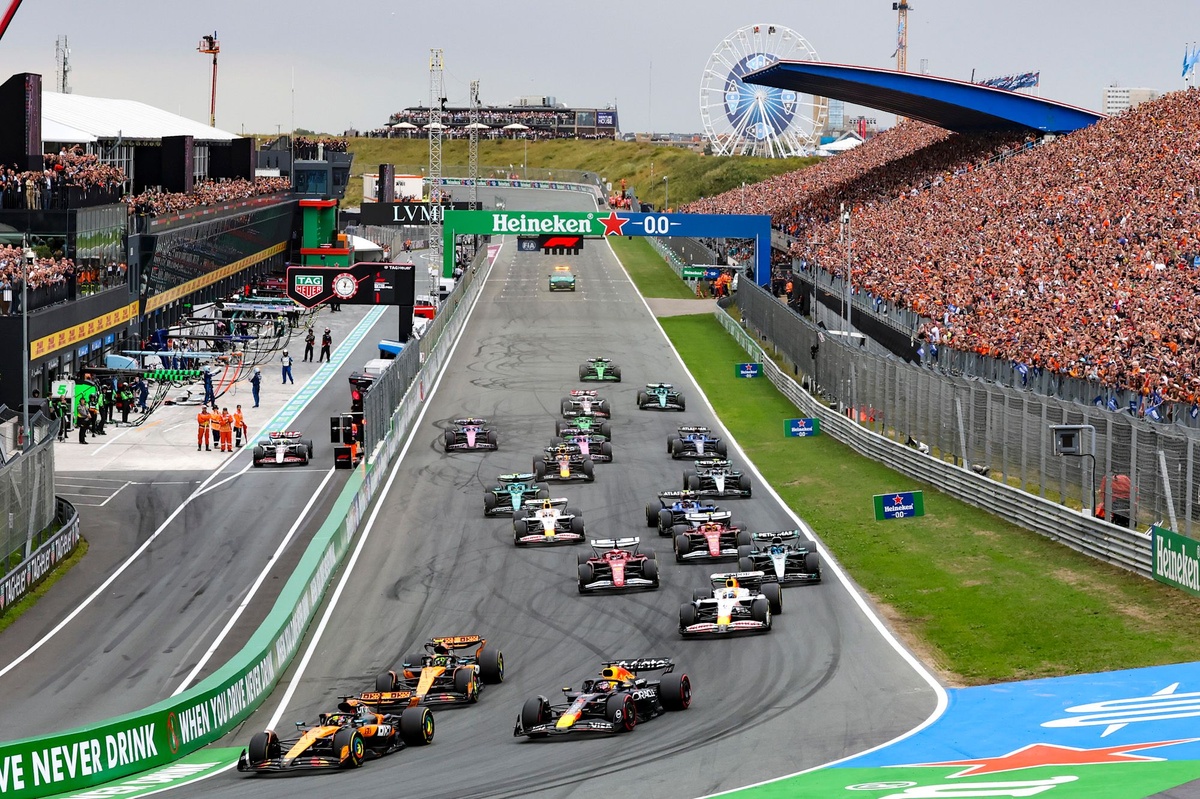
The Zandvoort circuit marks the season's halfway point, with championship fights, driver legacies, and crucial future grid spots on the line.
Formula 1 roars back into action this weekend with the highly anticipated Dutch Grand Prix, bringing an end to the sport's annual summer shutdown. Fans around the world are eagerly awaiting the return to the thrilling Zandvoort circuit, which traditionally provides dramatic racing and intense competition.
This Grand Prix is more than just another stop on the calendar. It represents a critical juncture in the 2024 season, setting the stage for what promises to be a gripping second half of the championship campaign. The stakes are incredibly high for every team and driver.
As the season rapidly approaches its conclusion, the outcome of the Dutch Grand Prix will have significant implications for title contenders, the shaping of driver legacies, and even the allocation of coveted grid seats for the following season, according to reporting by Motorsport.com - F1.
F1's Return from Summer Shutdown
The **Dutch Grand Prix** serves as the official restart after the Formula 1 summer shutdown, a period where teams halt operations and drivers take a much-needed break. This reset means teams return with fresh strategies and potential upgrades, aiming to capitalize on every opportunity.
For many, this race is a chance to reset momentum or build on pre-break performance. The unique challenges of Zandvoort's undulating layout and banked corners demand peak precision from both engineers and drivers, making the return an immediate test of skill and preparation.
Zandvoort: The Pivotal Midpoint of the Season
The event at Zandvoort is uniquely positioned as the **halfway point of the F1 campaign**. This means every point gained or lost here takes on amplified significance, potentially swinging the trajectory of both the Drivers' and Constructors' Championships.
Teams are now fully aware of their strengths and weaknesses, and the pressure intensifies as the opportunity to recover lost ground diminishes with each passing race. The performance at the Dutch Grand Prix could dictate the development priorities and tactical approaches for the remainder of the season.
Championship Battles Heat Up
With the season's midpoint now reached, the **F1 championships are firmly in sight and being decided**. Every move on track, every pit stop strategy, and every decision from the team principal's office will be scrutinized for its impact on the title fights.
Drivers at the sharp end of the standings know that consistency is key, while those chasing will be pushing the limits to close the gap. The Zandvoort circuit's unforgiving nature means even a small error could have massive implications for championship aspirations.
Legacies and Future Driver Spots at Stake
Beyond the current season's titles, the Dutch Grand Prix is also a crucial battleground where **legacies are made and grid seats for the following season are won or lost**. Driver performances in these high-pressure races can define their careers and influence their standing within the sport.
Teams are constantly evaluating their lineup, and a strong showing at Zandvoort can significantly boost a driver's prospects for contract extensions or new opportunities. Conversely, underperformance could lead to difficult conversations about their future in Formula 1.
Frequently Asked Questions
What is the significance of the Dutch Grand Prix for F1 teams and drivers?
The Dutch Grand Prix marks the return of Formula 1 after its summer shutdown and signifies the halfway point of the season. Its outcome is crucial for championship battles, driver legacies, and securing future grid seats.
Why is Zandvoort considered a challenging F1 circuit?
Zandvoort is known for its unique, undulating layout and iconic banked corners, such as Turn 14 (Arie Luyendyk Bocht). These features demand exceptional precision, car control, and strategic racecraft from drivers, making it a demanding track.
How does the F1 summer shutdown impact the season?
The F1 summer shutdown provides a mandatory break for teams, allowing them to rest and regroup. Teams often use the period leading up to the shutdown to introduce major upgrades, with the Dutch GP being the first race to test new strategies and developments in a competitive environment.
What is at stake for drivers and teams at the Dutch GP regarding future grid seats?
Performances at pivotal races like the Dutch Grand Prix are closely monitored by teams. Strong results can enhance a driver's reputation, potentially leading to contract renewals or new opportunities for the following season, while weaker performances may put their future in doubt.