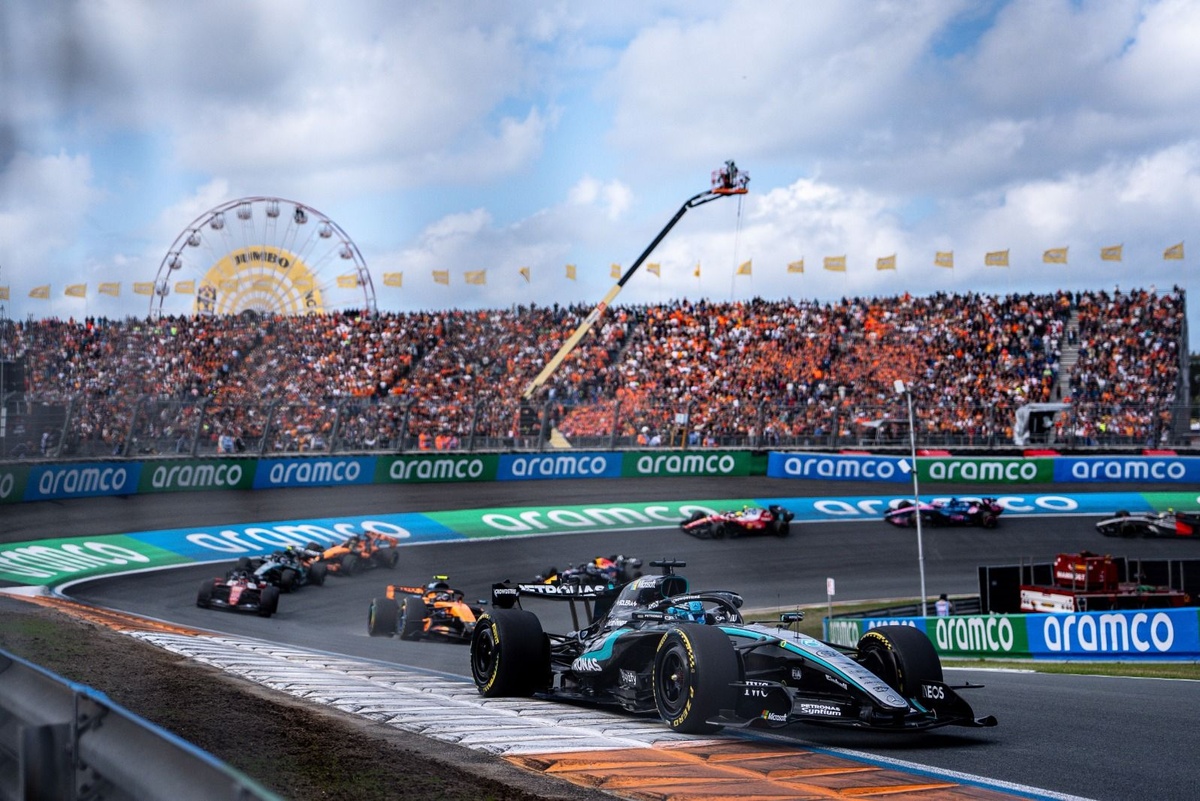
Train disruptions at the Dutch Grand Prix meant thousands missed the sprint race, subtly reinforcing a fan sentiment for fewer F1 sprint events.
A cascade of technical difficulties crippled the train network connecting Amsterdam on the Saturday morning of the Dutch Grand Prix weekend. This unexpected travel chaos created a significant hurdle for thousands of Formula 1 fans attempting to reach the Zandvoort circuit.
The transport problems raised the distinct possibility that a large number of these dedicated supporters would be unable to attend the day's main event: the F1 sprint race. While missing any part of a Grand Prix weekend might typically be a cause for disappointment, the situation subtly underscored a growing perspective among some fans.
For many, this unforeseen disruption might have been a welcome reprieve, as suggested by reporting from Autosport - F1. This sentiment points to an increasing debate within the F1 community regarding the current sprint race format and whether more such events are truly desired by the global fanbase.
Travel Chaos Strikes Dutch Grand Prix Weekend
The trouble began early on Saturday, impacting critical train lines from Amsterdam that serve the coastal town of Zandvoort, home to the Dutch Grand Prix circuit. Fans embarking on what they hoped would be an exciting day of motorsport action found themselves stranded or severely delayed on crowded public transport vessels.
These widespread technical issues created a logistical nightmare, preventing many ticket holders from reaching the circuit in time for the sprint race. The incident highlighted the fragility of event-day infrastructure when faced with unforeseen complications, particularly for major sporting events like Formula 1 races.
Why Some F1 Fans Question the Sprint Race Format
The "lucky them" sentiment, as noted by Autosport - F1, reflects a viewpoint held by a segment of the Formula 1 audience. For these fans, the sprint race, introduced in recent seasons, has not consistently delivered the enhanced spectacle it was designed to provide.
Concerns often revolve around the format's impact on the main Grand Prix race, with some arguing that the sprint can sometimes dilute the excitement of Sunday's main event. Others believe it adds unnecessary risk or changes the strategic flow of the weekend in ways that detract from the traditional F1 experience.
The Debate: More Sprints or a Return to Tradition?
As Formula 1 continues to expand its global calendar and experiment with new formats, the role of sprint races remains a hot topic. While the sport's management often aims to increase fan engagement and viewership through innovations, the feedback from the grassroots fanbase is crucial.
The experience at the Dutch Grand Prix, where missing the sprint race was potentially viewed by some as a benefit rather than a drawback, adds another layer to this ongoing discussion. It prompts questions about whether adding more sprint events to the F1 calendar truly aligns with the desires of the sport's most passionate followers.
Frequently Asked Questions
What happened with train travel at the Dutch Grand Prix?
On the Saturday morning of the Dutch Grand Prix weekend, technical problems severely affected the train network out of Amsterdam. This disruption prevented thousands of F1 fans from reaching the Zandvoort circuit in time for the sprint race.
Why might some F1 fans be "lucky" to miss a sprint race?
According to reporting by Autosport - F1, the sentiment that fans were "lucky" to miss the sprint race reflects a growing opinion among some F1 enthusiasts. These fans often find the sprint format less engaging or believe it detracts from the main Grand Prix event on Sunday.
What are F1 sprint races?
F1 sprint races are shorter, approximately 100-kilometer races introduced to select Grand Prix weekends. They typically take place on Saturdays and determine the starting grid for Sunday's main race, offering additional championship points.