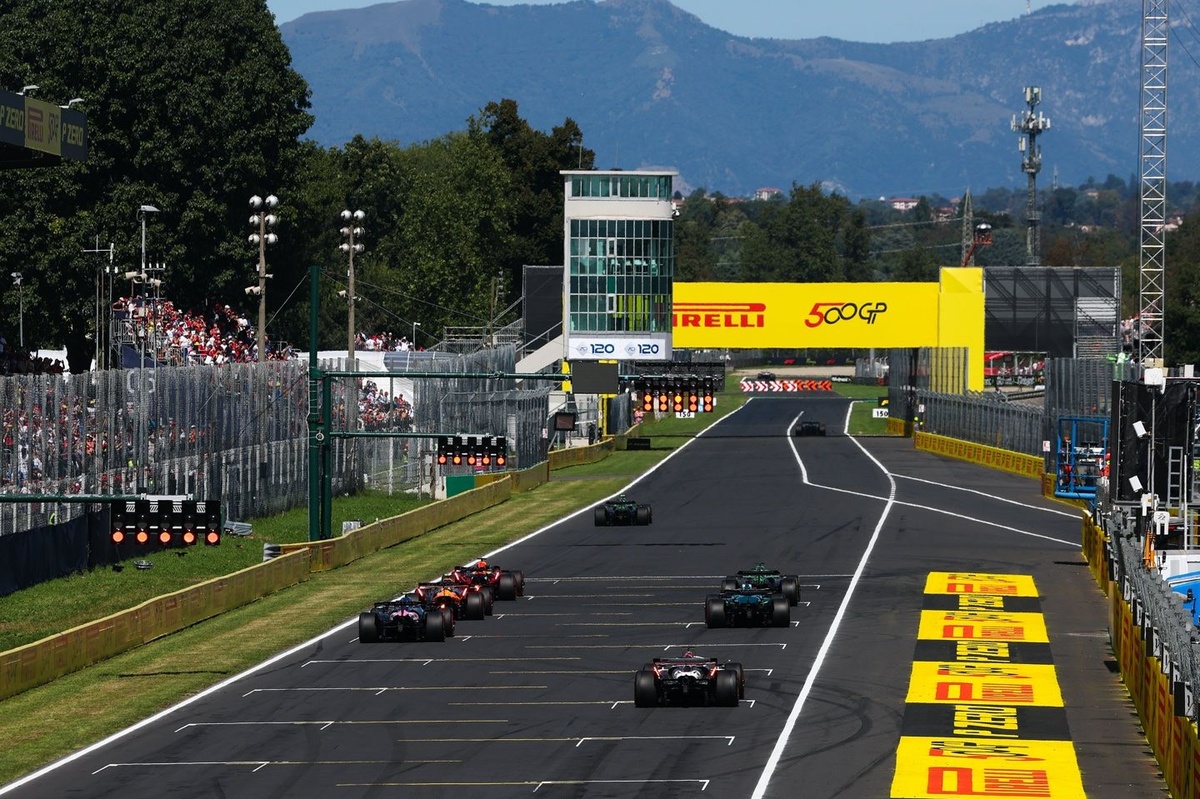
Drivers racing at Monza will now have to choose between wearing specialized cooling vests or adding compensatory weight to their cars.
The governing body of Formula 1, the FIA, has issued a heat hazard warning for the upcoming Italian Grand Prix this weekend. This declaration sets a challenging backdrop for one of the most anticipated races on the F1 calendar, held at the historic Monza circuit.
The decision comes as Italy endures its sixth major heatwave of the summer, with temperatures across the region, including Milan and Monza, expected to be extremely high. This persistent heat has prompted officials to take proactive steps to safeguard driver well-being and maintain fair competition.
As a direct result of this heat hazard, drivers will now face a mandatory choice: either wear specialized cooling vests during the race or add additional ballast, or weight, to their cars. This measure aims to counteract the physical strain of racing in intense heat, according to reporting by Autosport - F1.
FIA Formula 1 Heat Hazard Rules Implemented at Monza
The FIA, as Formula 1's governing body, has taken significant action by declaring a "heat hazard" for the Italian Grand Prix. This declaration underscores the organization's commitment to driver safety, especially when faced with extreme environmental conditions within the racing environment.
High temperatures can severely impact a driver's concentration and physical endurance over a long race, making such regulations crucial. This marks a critical response to the soaring temperatures, which pose a direct challenge to the athletes' performance and overall health within the confines of their cockpits. Ensuring a safe racing environment is paramount for the sport.
F1 Driver Cooling Vests vs Ballast Impact on Performance
Drivers competing at Monza now face a unique strategic decision regarding their personal safety and car setup. They are mandated to either wear specialized cooling vests, designed to regulate body temperature during the strenuous race, or alternatively, attach ballast to their car.
The choice between a cooling vest or adding ballast will likely involve a careful balancing act for each team and driver. While cooling vests directly address the driver's physical comfort and performance, adding ballast introduces extra weight, which can subtly alter a car's handling and speed characteristics on the track, potentially affecting lap times.
Italian Grand Prix Weather: Heatwave Effects on Racing
The declaration of a heat hazard is a direct consequence of Italy experiencing an intense and prolonged summer season. The country is currently grappling with its sixth significant heatwave of the summer, creating unusually severe conditions across many regions.
Specifically, the area surrounding the F1 circuit in Monza, near the major city of Milan, is bracing for temperatures that are expected to be well above typical race conditions. These elevated temperatures present an extraordinary challenge for all participants, from drivers to pit crews, throughout the Italian Grand Prix weekend.
Frequently Asked Questions
What is a heat hazard in Formula 1?
A heat hazard in Formula 1 is an official declaration by the FIA when environmental temperatures are deemed dangerously high. It triggers mandatory safety measures, such as requiring drivers to use cooling equipment or adjust car weight, to protect their health and ensure fair competition.
Why must F1 drivers wear cooling vests or add ballast at Monza?
Drivers at the Italian Grand Prix must choose between wearing cooling vests or adding ballast because the FIA has declared a heat hazard due to Italy's ongoing heatwave. These measures are designed to combat the extreme physical strain and potential performance degradation caused by racing in very high temperatures.
How does adding ballast affect an F1 car?
Adding ballast, or extra weight, to an F1 car can subtly influence its balance, tire wear, and overall handling. While it helps meet weight regulations or offset the absence of driver cooling gear, teams must carefully integrate it to minimize any potential performance drawbacks on track.
What impact does extreme heat have on Formula 1 drivers?
Extreme heat significantly impacts Formula 1 drivers by increasing dehydration, reducing concentration, and accelerating physical fatigue. These factors can impair reaction times and decision-making, posing both a safety risk and a performance challenge during high-speed racing.