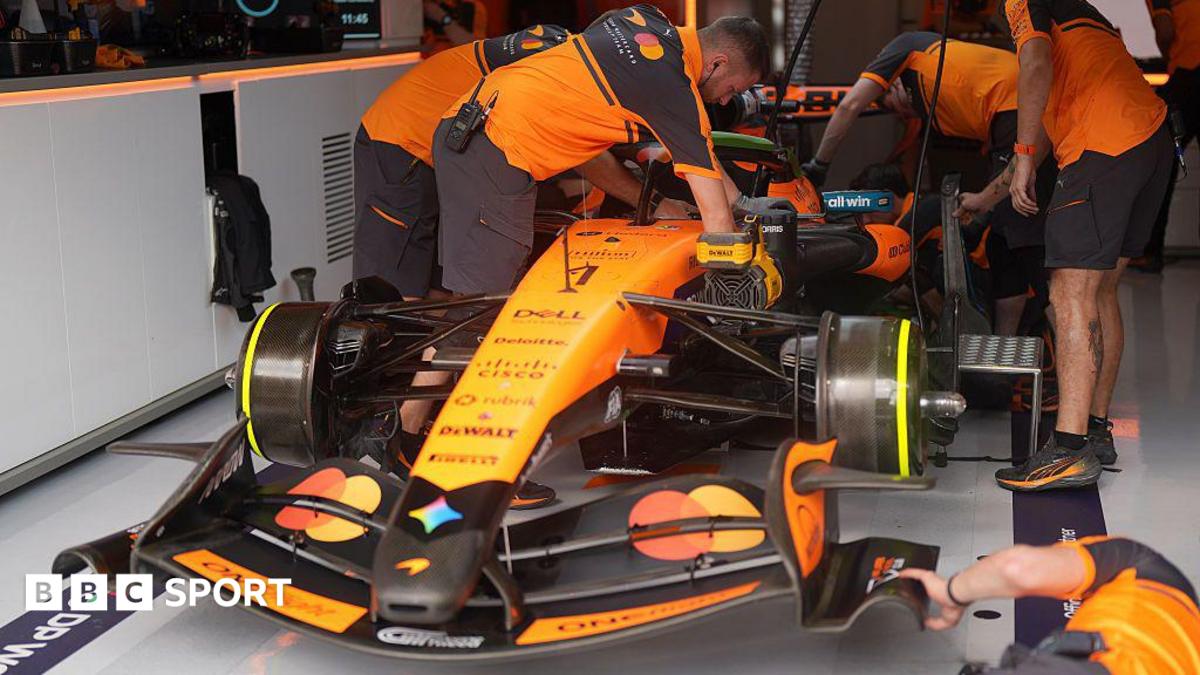
This crucial, FIA-mandated period stops all car performance work to ensure fair competition and manage team expenses across the grid.
Every year, Formula 1 teams observe a mandatory pause known as the F1 summer shutdown. This isn't just a holiday for the staff; it's a rigorously enforced 14-day consecutive period where working on car performance is strictly forbidden.
Implemented by the sport's governing body, the FIA, this shutdown aims to prevent any team from gaining an unfair advantage through continuous development and also helps to keep costs in check during the intense F1 season.
The specific timing for this two-week work stoppage is chosen by each team within the broader F1 summer break, which typically spans nearly a month between the Hungarian Grand Prix and the Dutch Grand Prix, according to reporting by BBC Sport - Formula 1.
F1's Mandatory 14-Day Work Stoppage Ensures Fair Play
During the F1 summer shutdown, all competitors and their staff are completely prohibited from undertaking any work related to their car's performance. This encompasses a wide range of activities, including design, development, and the production of new parts.
Even the use of advanced simulators is put on hold. To reinforce the ban, emails, phone calls, and meetings discussing car performance are also forbidden, ensuring a genuine pause in competitive development. This strict measure is vital for maintaining an even playing field and managing significant operational costs across the Formula 1 paddock.
Navigating the F1 Summer Break: Timing and Team Choices
The broader F1 summer break lasts just under four weeks, typically occurring from the end of July through to the end of August. Within this period, each team must notify the FIA of their intended 14-day shutdown window.
For the 2026 season, for example, the summer break began on Monday, July 27, following the race in Hungary, and will conclude just before the Dutch Grand Prix weekend, which starts on Friday, August 21. Teams often strategically opt for the middle two weeks of this window, allowing time for post-race analysis from the previous event and initial preparations for the next.
Once the summer break concludes, the F1 season resumes with a packed schedule, featuring twelve remaining races that will determine the championships.
Key Exceptions and Penalties During the F1 Summer Shutdown
While the rules around the F1 summer shutdown are stringent, a few specific exceptions are permitted. Repairs to "seriously damaged" cars, for instance, can be carried out, but only with explicit approval from the FIA.
Furthermore, departments within the teams that are not directly involved with the performance and development of the car, such as marketing, finance, and legal teams, are allowed to continue their operations as normal during this mandatory break. Any team or individual found to be breaking these crucial rules during the shutdown period will face significant penalties from the FIA.
It's also worth noting that the F1 calendar includes a second, shorter shutdown. A mandatory nine-consecutive-day break is enforced at the very end of the season, usually in December, providing another period of rest for the teams.
Frequently Asked Questions
How long is the mandatory F1 summer shutdown period?
The F1 summer shutdown is a mandatory 14-day consecutive period during which all competitors and their staff are prohibited from working on car performance-related activities.
What activities are forbidden during the F1 summer shutdown?
During the shutdown, teams cannot perform any work related to car performance, including design, development, production of parts, or using simulators. Emails, phone calls, and meetings discussing performance are also forbidden.
When does the F1 summer break typically occur?
The F1 summer break is usually just under four weeks long, taking place between the end of July and the end of August, specifically positioned between the Hungarian Grand Prix and the Dutch Grand Prix.
Can teams repair damaged cars during the shutdown?
Yes, repairs to "seriously damaged" cars can be carried out during the shutdown, but only with prior approval from the FIA.
Are there other mandatory shutdowns in Formula 1?
Yes, in addition to the summer shutdown, there is a second mandatory shutdown of nine consecutive days at the end of the F1 season, typically observed in December.