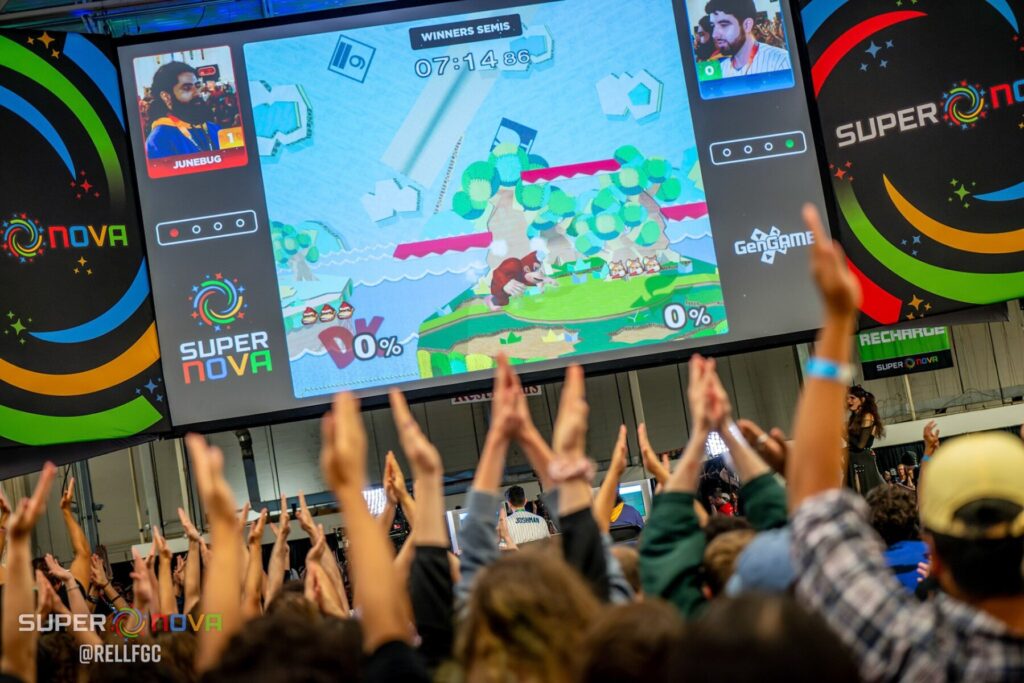
Despite a stacked calendar including Supernova, CEO 2026, and the Esports World Cup, ongoing FGC social media arguments are dampening fan enthusiasm.
The Fighting Game Community (FGC) is currently in a vibrant period, with major events like the Esports World Cup featuring Tekken 8 and Street Fighter 6 this weekend, alongside Supernova for Super Smash Bros. fans. CEO 2026 is also on the horizon, following the recent conclusion of Get On My Level.
However, instead of widespread hype and anticipation for epic rivalries and compelling storylines, online platforms like X (formerly Twitter) are frequently consumed by what many perceive as "pointless beefs and complaints." This constant negativity has reached a point where even seasoned FGC journalists express a reluctance to cover these trivial issues.
This persistent online discourse risks overshadowing the genuine excitement surrounding high-profile tournaments and the incredible talent within the community, according to reporting by Esports Insider. The focus on trivial arguments detracts from the significant competitive opportunities available to players and fans alike.
Understanding the FGC's Enduring 'Salt' Culture
The Fighting Game Community has long been known for its vocal nature, often dubbed its "salty" culture. Some complaints are undeniably legitimate, such as concerns over developers ruining game balance, insufficient prize money in tournaments, or poor setups and lag at large-scale events. These are issues that the broader esports community generally acknowledges and agrees with.
Beyond these, other topics, like debates over Evo's diminishing prestige, the perceived "cringey" behavior of content creators, or on-stage antics deemed disrespectful, are considered acceptable discourse within the FGC. For many, this willingness to speak out defines the community's authenticity. However, this culture can sometimes push boundaries, leading to frustration even among long-time fighting game veterans who reportedly express a desire for the scene to be "destroyed" just to avoid further incessant arguments.
The Curious Case of Hidden Tournament Attendee Lists
A specific example of this excessive discourse recently emerged regarding tournament organizers (TOs) and their practice of hiding attendee lists. On July 31, 2026, player Epic_Gabriel posted on X, questioning why major TOs conceal entrant numbers. He claimed he almost didn't register for CEO 2026 because he had "no clue who was going" or "how many people" were registered, suggesting many others also held back for the same reason.
This sentiment resonated with others, including Rivals of Aether player ThrownOrcCEO 2026, who also asked a similar question on X on July 15, 2026. The debate quickly escalated, turning into a significant, ongoing argument within the community, often to the bewilderment of those outside the FGC.
Why Tournament Organizers Conceal FGC Entrant Numbers
Tournament organizers have provided clear explanations for their practice of withholding attendee numbers. Many TOs note that players often disregard an event if they see a low number of entrants, which can be particularly challenging for events where most participants sign up at the last minute. It's often easier and more strategic to inform the community about previous year's attendance figures rather than displaying potentially small current registration numbers.
The FGC operates largely on a grassroots level, lacking a single controlled, consistent circuit throughout the year. This unique structure allows each tournament organizer to implement their own operational methods. While questions and discussions about these practices are healthy for community development, the extent to which this specific issue generated widespread drama and arguments on social media, with people debating a "non-issue" for an entire weekend, has caused significant frustration among many, including other FGC personalities like GTekFGC.
The Broader Impact of Constant FGC Community Complaints
This incident regarding attendee lists is not isolated but indicative of an ongoing trend within the FGC. While some "salt" can be entertaining, the consistent amplification of minor issues on social media can alarm other esports communities. The FGC is often perceived as gatekeep-y, judgmental, salty, and complainy, which creates a less-than-ideal image for potential sponsors, investors, and esports organizations looking to sign new players.
Although the FGC's outspoken nature can be seen as a positive, demonstrating a community that genuinely fights for its beliefs and resists changes it deems unjust, this behavior can reach a point where the community appears genuinely unbearable to outsiders. With high-profile tournaments like Supernova and CEO on the horizon, many wish the focus would shift back to the competition and collective enjoyment.
Frequently Asked Questions
What major fighting game events are happening soon?
The Esports World Cup, Supernova (for Smash fans), and CEO 2026 are among the major fighting game events happening soon, with Get On My Level recently concluded. These events feature popular titles like Tekken 8 and Street Fighter 6.
Why is the Fighting Game Community often criticized for complaining?
The FGC is often criticized for excessive complaining, ranging from legitimate issues like game balance and prize money to what some perceive as "pointless beefs" over social media. This constant "salt" can overshadow major event excitement and deter external interest.
What was the recent FGC debate about tournament registrations?
A recent FGC debate revolved around tournament organizers (TOs) hiding attendee lists prior to events. Some players, like Epic_Gabriel, claimed they wouldn't register for major events like CEO 2026 if they didn't know who else was attending or how many participants there would be.
Why do tournament organizers sometimes hide attendee numbers?
Tournament organizers explain that they sometimes hide attendee numbers to prevent players from dismissing an event due to low initial registration figures. Many participants sign up last minute, and it can be more effective to share last year's attendance numbers than current, potentially small, figures.