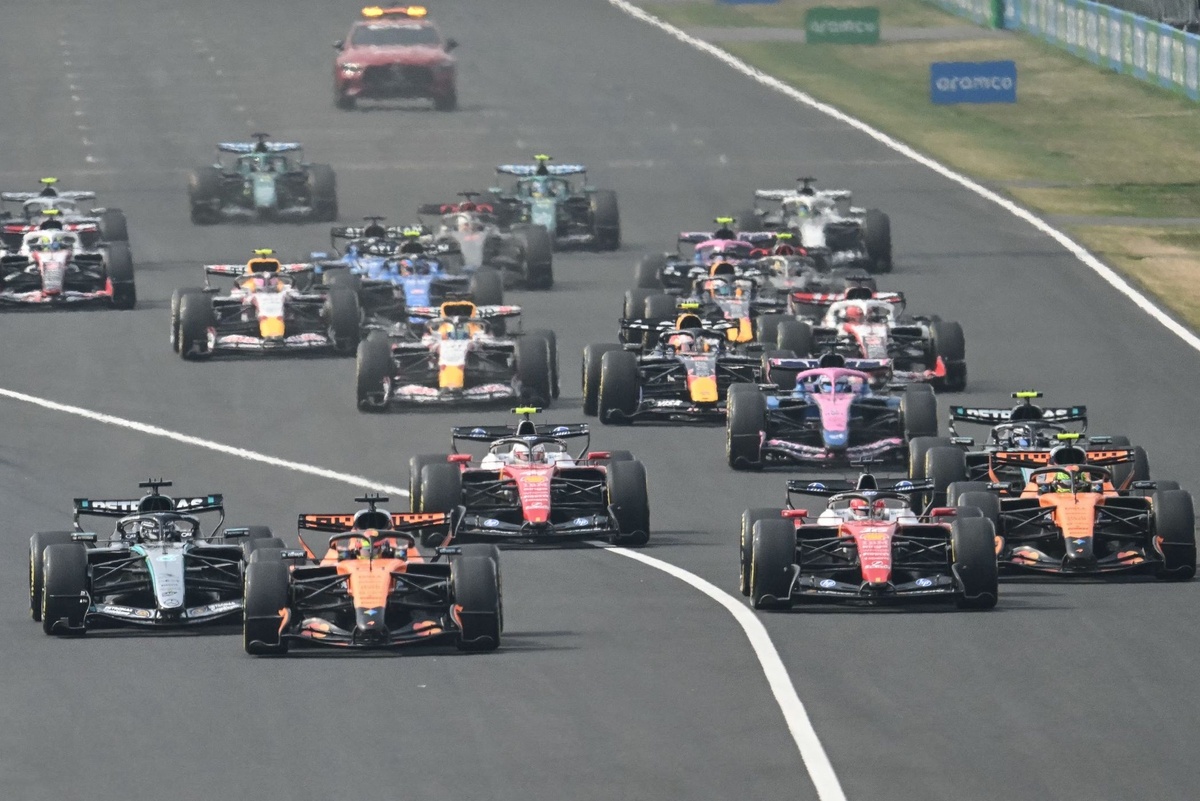
The sport's governing body navigates complex technical regulations and stakeholder agreements, making mid-course corrections challenging as debate rages.
As the Formula 1 season approaches its halfway mark, attention is turning to the future with the contentious 2026 technical regulations. These upcoming rules, designed with a significant emphasis on electric power, have ignited considerable debate both within the paddock and among the global fan base.
This mid-season juncture, often coinciding with the traditional summer break, provides a crucial moment for reflection and assessment across the sport. However, despite the growing discussions and concerns, the FIA, Formula 1's governing body, finds itself in a position where earlier intervention to alter these established rules proves exceptionally difficult.
The intricate nature of F1 rule-making, involving long lead times and extensive stakeholder consultation, means that once a regulatory framework like the 2026 power unit rules is set, the scope for swift amendments becomes severely limited, according to reporting by Autosport - F1.
Understanding the Core of the 2026 F1 Rules Debate
At the heart of the current controversy surrounding the 2026 Formula 1 season are the technical regulations that mandate a much greater emphasis on electric power. This shift aims to align the sport with evolving automotive technologies and sustainability goals, but it has raised questions about car performance, driver experience, and the overall spectacle of racing.
The push for increased electrification forms a significant component of the new power unit regulations. This critical change has sparked widespread discussion, with many concerned about its potential impact on factors such as engine sound, weight distribution, and the strategic complexities of racing.
Navigating F1's Regulatory Timelines and Approval Processes
The FIA's capacity to intervene sooner in the 2026 F1 rules is inherently constrained by the sport's rigorous and lengthy regulatory development and approval process. Crafting technical regulations for a global sport like Formula 1 requires years of planning, negotiation, and consensus-building among teams, engine manufacturers, and the commercial rights holder.
Once these rules are formalized and agreed upon, especially those affecting fundamental aspects like power unit architecture, they become difficult to change quickly. Teams and manufacturers invest enormous resources and development time based on the approved framework, making any significant, late-stage alteration logistically and financially complex.
Balancing Innovation with Fan Feedback in F1
Amidst the debate, Formula 1 maintains that fan ratings are a critical consideration in its strategic decisions. Programs like the Formula 1 Fan Voice aim to gauge audience sentiment, providing insights into what supporters value most about the sport. However, the balance between pioneering technological innovation, attracting new manufacturers, and preserving the racing spectacle for existing fans is a constant challenge.
While fan feedback is crucial, major technical shifts, such as the move towards greater electric power, are often driven by broader industry trends and long-term strategic visions for the sport's sustainability and relevance. The timeline for implementing such radical changes far outpaces immediate fan sentiment, leading to the current disconnect between the announced 2026 rules and some segments of the fanbase.
Frequently Asked Questions
What are the key changes in F1's 2026 rules?
The 2026 Formula 1 technical regulations introduce a much greater emphasis on electric power for the power units. This means a significant shift towards hybridization, impacting engine design, performance characteristics, and potentially the overall driving experience.
Why can't the FIA intervene earlier to change the 2026 F1 rules?
The FIA cannot intervene earlier because Formula 1 rule-making is a multi-year process involving extensive consultation with teams and manufacturers. Once the fundamental framework for the 2026 power unit rules was agreed upon, teams began significant development based on these specifications, making rapid, substantial changes impractical.
How do F1 fan ratings influence rule-making?
F1 insists that fan ratings, collected through initiatives like the Formula 1 Fan Voice program, are considered in decisions. However, major technical regulations like the 2026 rules often reflect long-term strategic goals for the sport, balancing fan interest with technological advancement and manufacturer involvement, which can lead to debate.