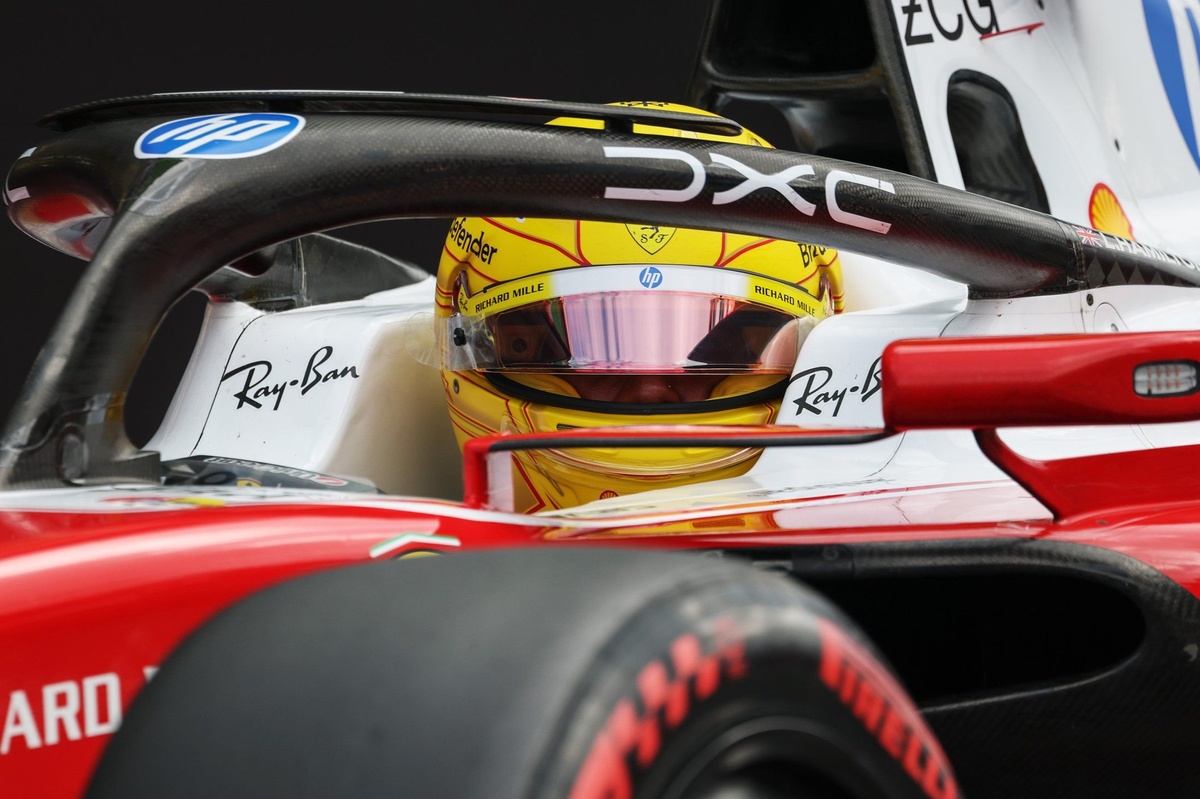
The F1 superstar publicly apologized to his Ferrari team after frustration over strategy and a slower Charles Leclerc boiled over during the race.
Lewis Hamilton has publicly acknowledged that his intense frustration during the recent Dutch Grand Prix showcased “wasn’t the best version of me.” The seven-time Formula 1 world champion expressed regret over his conduct, particularly the heated moments that were broadcast over the team radio.
Hamilton specifically issued an apology to his Ferrari Formula 1 team, acknowledging that his emotions escalated significantly during the latter half of the Zandvoort race. This rare public admission highlights the immense pressure and high stakes involved in elite-level motorsports.
The British driver's vexation stemmed from a perceived lack of crucial strategy updates from his team. His irritation intensified as he found himself held up behind his teammate, Charles Leclerc, who was reportedly slower and running on older tires during a critical phase of the Grand Prix, according to reporting by Autosport - F1.
Understanding Hamilton's Frustration at Zandvoort
During the intense second half of the Dutch Grand Prix, Lewis Hamilton's performance was hampered by strategic challenges. His growing frustration was primarily due to a noticeable absence of timely strategy guidance from his Ferrari pit wall. This crucial communication gap left him feeling disadvantaged on track.
A major point of contention for Hamilton was being stuck behind his teammate, Charles Leclerc. Leclerc, who was reportedly on older tires and exhibiting a slower pace, inadvertently impeded Hamilton's progress. This scenario, common in Formula 1, often leads to significant driver discontent when a quicker car is held up by a teammate, particularly when racing positions and points are at stake.
The Apology and F1 Team Radio Protocol
Hamilton's use of the phrase “wasn’t the best version of me” underscores a moment of self-reflection from one of F1's most decorated drivers. Such radio outbursts are not uncommon in the high-pressure environment of Formula 1, but a public apology afterward is a less frequent occurrence.
His apology to the Ferrari Formula 1 team emphasizes the importance of maintaining strong team cohesion, even amidst heated race moments. Effective team radio communication is vital for success, and when a driver's emotions boil over, it can create tension that needs to be addressed for future performance.
Impact of Strategy Decisions in Elite Racing
Strategy plays a pivotal role in every Formula 1 race, often dictating the outcome more than raw pace alone. Decisions regarding tire compounds, pit stop timings, and race management are constantly evolving and require seamless communication between the driver and the strategists.
When there is a breakdown in these strategic updates, as Hamilton experienced at the Dutch Grand Prix, it can severely impact a driver's ability to maximize their car's potential and their race result. The incident highlights how critical precise and timely information is for drivers making split-second decisions at high speed.
Frequently Asked Questions
Why did Lewis Hamilton apologize after the Dutch Grand Prix?
Lewis Hamilton apologized for his radio outbursts and expressions of frustration during the second half of the Dutch Grand Prix. He stated his actions “wasn’t the best version of me” when his emotions boiled over due to perceived strategic issues.
What caused Hamilton's frustration during the Dutch GP?
Hamilton's frustration stemmed from a lack of strategy updates from his team and being stuck behind his teammate, Charles Leclerc, who was reportedly slower and using older tires during the race.
Which team did Hamilton apologize to?
Lewis Hamilton issued his apology to his Ferrari Formula 1 team following the incidents at the Dutch Grand Prix, acknowledging the impact of his emotional radio communications.