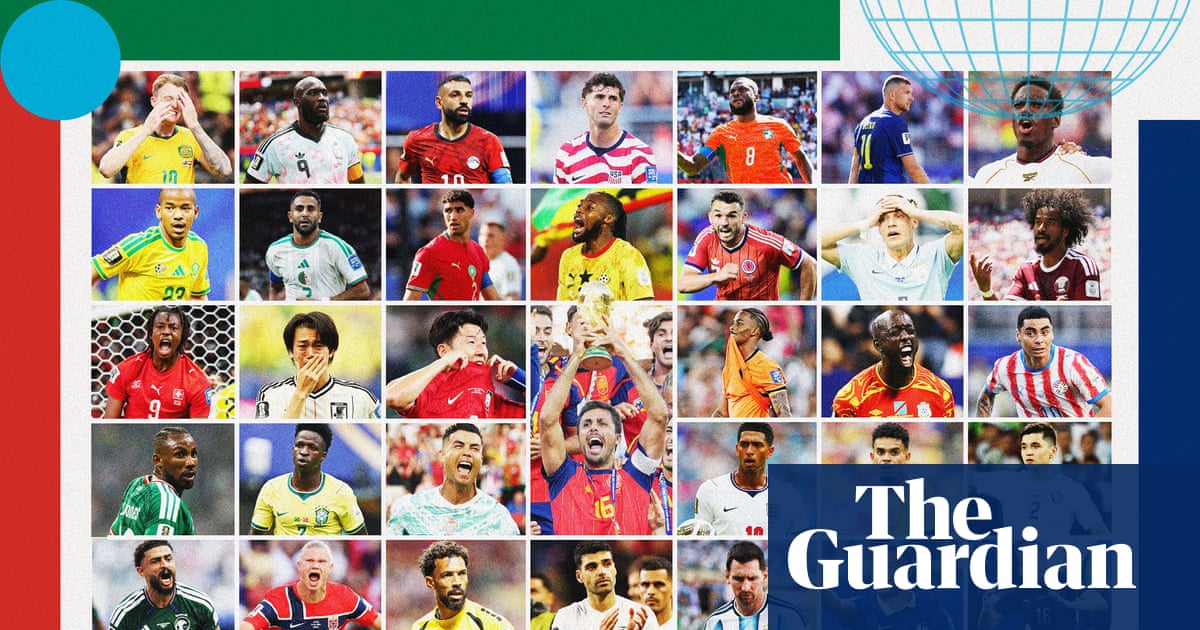
Expanding Soccer’s Stage: How the New 48-Nation World Cup Changed the Game
In a bold move, FIFA expanded the men's World Cup to include 48 teams in 2026. This change aimed to diversify global participation but raised questions about fairness and quality.
While Diego Maradona saw this as an opportunity for dreams come true, Joachim Löw warned of diluting sporting value — a sentiment that became evident during the tournament’s first edition in North America.
“Football is more than Europe and South America; football is global,” said FIFA president Gianni Infantino when announcing the expansion.The 48 nations brought a mix of excitement and unpredictability, with six making their knockout debut. Cape Verde became one of the biggest surprises, though they did not win any games. Countries like Curaçao also impressed, with Livano Comenencia scoring against Germany in the group stage.
Wider Disparity Among Teams
The expanded format led to a more noticeable gap between top and bottom teams. In previous tournaments, such as Qatar 2022, the biggest mismatch was a difference of 77 ranks. In this tournament, five group games had gaps over 65 places.
“There’s little chance of a shock defeat for big guns,” noted Sports analyst. However, Uruguay’s early exit highlighted the struggles even among some heavyweights.Flawed Third-Place System
Fifa faced criticism with its third-place play-off system. Only about 10% ended up playing for second place in each group, giving teams an unfair advantage knowing their positions and opponents in subsequent rounds.
“Players had to hang around several days before finding out if they were going home,” said disappointed fans of Scotland. The complexity also led to matches with irrelevant results.Frequently Asked Questions
Will FIFA expand the World Cup further in the future?
Yes, according to Gianni Infantino’s hints about potential 64-team tournaments. Adding more teams could solve the third-place issue but introduces logistical challenges and increased disparity within groups.
Can small nations compete against big ones?
Evidence from Cape Verde suggests smaller nations can make significant contributions, even if their overall results are often disappointing in group stages.