Leading Expert Stephen Smith Highlights Complex Recovery for Jack Draper's Persistent Arm Injury
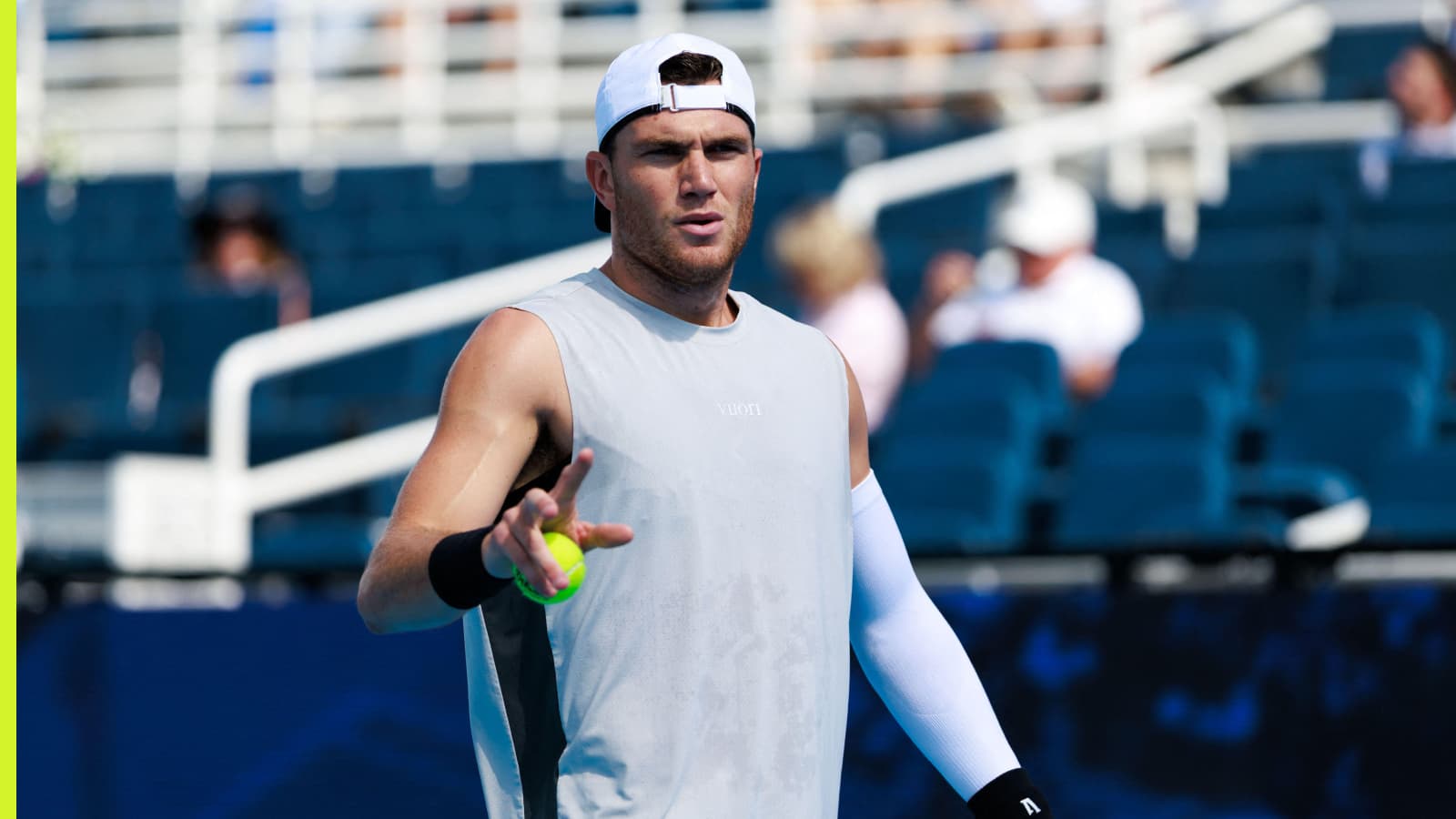
British tennis sensation Jack Draper continues to grapple with a persistent arm injury, prompting a candid assessment from a leading authority in athlete welfare. Following a disheartening exit from the Cincinnati Open, questions are intensifying about the 24-year-old's path back to peak form, according to reporting by Tennis365.
Draper's struggle with a bruised humerus in his left arm has now extended for over a year, compounded by a right knee issue that sidelined him during the recent clay-court season. These ongoing physical challenges have severely limited his competitive play, with only 16 matches contested since his second-round defeat at the 2025 Wimbledon Championships, over 13 months ago.
Once ranked as high as world No. 4 in June last year after a stellar start to the 2025 season, Draper currently finds himself at 143rd. His recent attempts at a comeback at both the Canadian Open and the Cincinnati Open have been marred by visible signs of discomfort and emotional distress on court.
Understanding Jack Draper's Persistent Bone Bruising Injury
Stephen Smith, founder and CEO of Kitman Labs, a premier sports science and performance intelligence company, offered his expert perspective on Draper’s prolonged recovery. In an exclusive interview, Smith addressed the commonality of such long-lasting bone bruising injuries.
“I wouldn’t say it’s uncommon,” Smith stated, acknowledging the difficult nature of Draper's situation. He elaborated that bone bruising is “notoriously slow to resolve,” making it a particularly challenging ailment for athletes.
Smith cautioned against pushing through such an injury without proper management. “What would happen if you keep overloading that is it could end up resulting in a stress fracture, as well,” he warned. He emphasized that the biological healing process cannot be rushed, requiring athletes to “manage your load around it.”
Visible Data Points Point to On-Court Struggles
The extent of Draper's physical distress was strikingly evident during his recent match at the Canadian Open. His serve speed significantly dropped in the third set of his opening-round loss to Terence Atmane, a moment that saw the British player break down in tears during a changeover.
These fluctuations in performance are critical indicators, according to Smith. “The drop in his serve speed during the match, they were pretty visible data points that he was having an issue,” he explained. A significant decrease in a player’s baseline serve speed acts as “a flag that something is limiting their ability to generate force through the kinetic chain.”
For Draper's continued comeback, Smith stressed the paramount importance of “honest load monitoring.” This goes beyond simply asking how the arms feel day-to-day, requiring “very, very serious quantification of load.” This includes not just time on court, but also detailed analysis of “physical demands (speeds, impacts, changes of direction, racket speed).”
Beyond Rest: The Complexities of Injury Recovery
Many might assume prolonged rest is the ultimate solution for a chronic injury like Draper's. However, Smith clarified that while necessary, rest alone often isn't sufficient. Draper himself missed over five months before attempting a return to the tour earlier this year.
“Even rest alone doesn’t solve these things. Okay, the symptoms might resolve, but then you go straight back out there and you go from 0 to 100 miles an hour in terms of the demands that are placed on you — and that’s what’s causing some of this,” Smith observed. The focus, he argued, must be on building a “steady physiological base” and understanding the intricate “interaction between load and response” to prevent recurrence.
The Overlooked Psychological Toll of Individual Sports Injuries
The physical aspects of recovery are often highlighted, but Smith emphasized the immense, often underappreciated, psychological challenge faced by athletes like Draper. “Massively. It’s so hard,” he said, particularly in the context of individual sports.
Unlike team sports such as football or rugby, where a player might find moments away from direct scrutiny, tennis offers no such respite. “It’s just a different dynamic,” Smith noted. Elite athletes know precisely “what it feels like to be at the peak of their game,” making the experience of pain, struggle, and inability to perform at their best incredibly difficult.
The mental burden intensifies when an athlete spends months meticulously rebuilding, only to return and find that things “don’t feel right.” This cycle, Smith conveyed, is profoundly challenging for even the most resilient competitors.
Frequently Asked Questions
What is Jack Draper's current main injury?
Jack Draper is primarily battling a bruised humerus in his left arm, an injury that has persisted for over a year. He also dealt with a right knee problem earlier in the current season, which kept him off the clay courts.
Who is Stephen Smith and what advice did he offer regarding Draper's injury?
Stephen Smith is the founder and CEO of Kitman Labs, a leading sports science company. He advises that Draper needs “honest load monitoring” and detailed quantification of physical demands, warning that continued overloading could lead to a stress fracture. Smith also emphasized that rest alone is not a complete solution for such injuries.
Why is bone bruising considered a particularly slow injury to recover from?
Bone bruising is “notoriously slow to resolve” because it involves damage to the bone itself, which requires significant time for biological healing. Attempting to accelerate this process or overloading the injured area prematurely can risk further complications, such as a stress fracture, making careful load management crucial.
How has Jack Draper's injury affected his tennis career and ranking?
Draper's prolonged injury struggles have severely impacted his career, limiting him to just 16 matches over the past 13 months. This has caused his ranking to plummet from a career-high of world No. 4 in June last year to his current position at 143rd, with recent matches showing clear signs of physical and emotional strain.