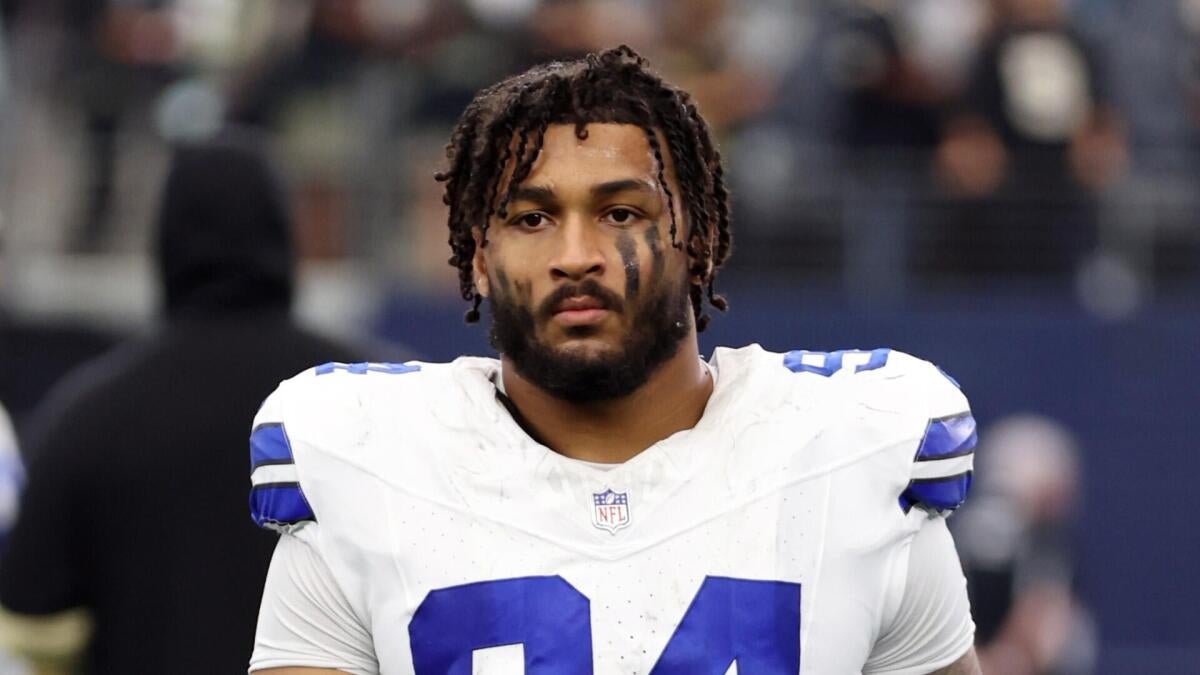
Former Dallas Cowboys Edge Rusher Marshawn Kneeland’s Family Confirms CTE Diagnosis Posthumously
According to reporting by CBS Sports - NFL, former Dallas Cowboys edge rusher Marshawn Kneeland, who died of a self-inflicted gunshot wound at age 24 last November, had stage 1 chronic traumatic encephalopathy (CTE) at the time of his death. Researchers from Boston University’s CTE Center performed a postmortem analysis to reach this diagnosis.
What Is Chronic Traumatic Encephalopathy?
CTE is a degenerative brain disease that has been linked to repeated traumatic head impacts, not just concussions. It currently can only be definitively diagnosed after death but recent advancements are bringing us closer to earlier detection. Dr. Ann McKee, who directs the Boston University CTE Center, comments: 'Unfortunately, I was not surprised to find CTE in Mr. Kneeland because we have found this progressive brain disease in nearly half of the athletes we've studied who have died before the age of 30.'
Implications and Prevention
Kneeland played during the modern era of concussion protocols and better helmet technology, yet he still developed CTE. The Concussion & CTE Foundation's CEO, Chris Nowinski, says: 'Mr. Kneeland died last year following a police chase amid signs of suicidal ideations. This diagnosis provides important context about some of the struggles he may have been facing and highlights that concussion protocols do not prevent CTE because it is caused by repeated head impacts. We must implement CTE prevention protocols and reduce head impacts to lower risk.' Kneeland's family stated: 'While this diagnosis does not change the tragedy of his passing, it provides important context about some of the struggles he may have been facing.'
Frequently Asked Questions
Is There Any Way to Prevent CTE?
Currently, there is no way to prevent CTE. However, efforts are ongoing to develop better prevention protocols and reduce head impacts through improved techniques and equipment in high-contact sports.
Has This Diagnosis Changed Anything Regarding NFL Protocols or Practices?
This diagnosis has brought renewed attention to the need for stricter CTE prevention measures and reduced head injuries. The NFL is likely to reassess its concussion protocols with this new information.