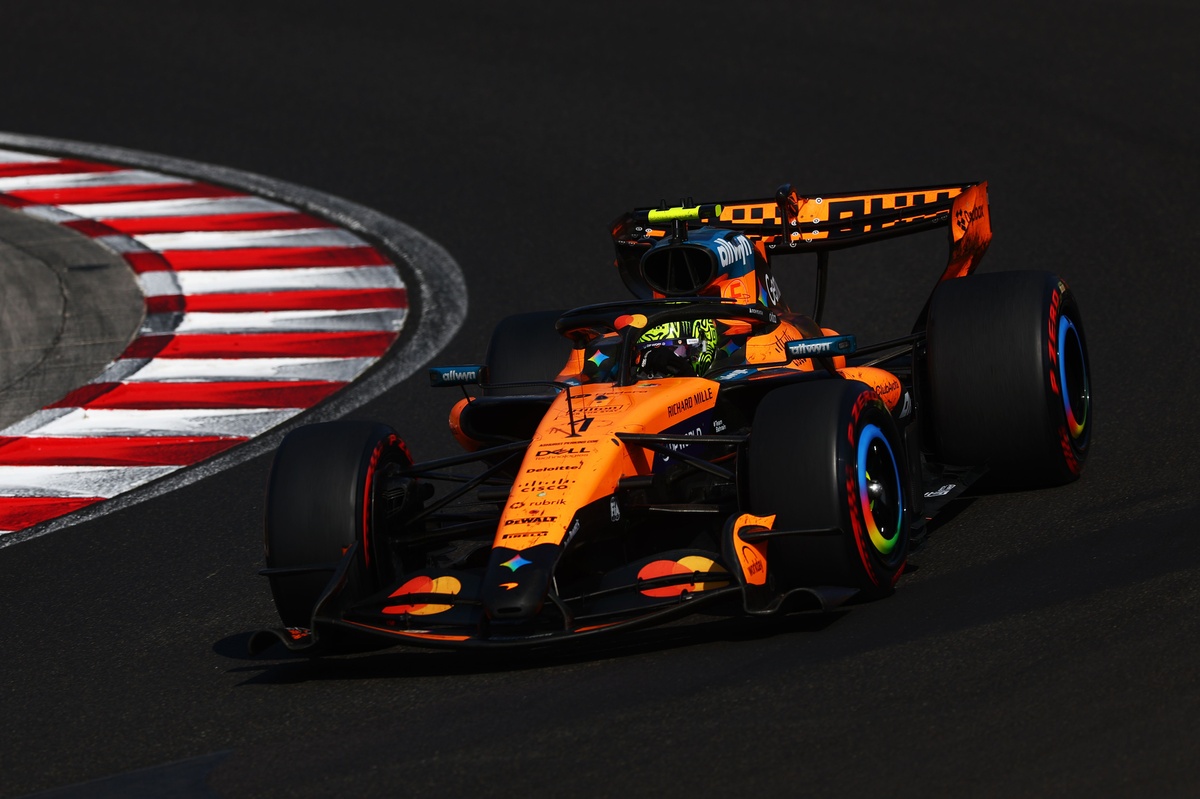
The team's proven track record with effective in-season upgrades, including recent advancements in Hungary, keeps immediate attention on current F1 seasons.
McLaren Racing is demonstrating renewed vigor in the current Formula 1 campaign, a stark contrast to its initial performance early in the 2026 season. This resurgence echoes the team's strong form and innovative development approach seen over the previous two years, indicating a clear strategic direction for the immediate future.
This commitment to ongoing improvement means the Woking-based outfit is unlikely to divert its full engineering and design resources to its 2027 F1 car development anytime soon. The team's success with in-season upgrades has been a cornerstone of its competitive resurgence, making a premature shift in focus less appealing.
The strategy prioritizes maximizing performance with current and near-future regulations, building on a consistent ability to evolve its machinery during the season. This dedicated approach to refining their existing platform is a key factor in their decision-making, according to reporting by Autosport - F1.
McLaren's Upgrade Strategy Paying Dividends in F1
McLaren has established a remarkable reputation for its in-season upgrade effectiveness during the 2024 and 2025 Formula 1 seasons. This consistent ability to improve its cars throughout the calendar year has been a hallmark of its recent competitive surge, showcasing robust development capabilities.
This pattern of successful mid-season enhancements provides a compelling reason for the team to continue investing heavily in its current and next-season vehicles. The positive impact of these upgrades on track performance reinforces their belief in the current development path, delaying a full transition to future regulations.
Recent F1 Advancements Bolster Current Performance
A prime example of McLaren's impactful development work arrived with their latest upgrade package introduced in Hungary. This significant enhancement specifically targeted key aerodynamic components of the F1 car, demonstrating a continuous drive for optimization.
The Hungarian upgrade featured a revised floor and incorporated the latest iteration of its front wing. These crucial modifications are designed to improve airflow, increase downforce, and ultimately enhance the car's overall performance. Such tangible improvements affirm the team's strategy of incremental, yet powerful, in-season advancements.
Frequently Asked Questions
Why isn't McLaren fully focusing on its 2027 F1 car yet?
McLaren is delaying a full shift to its 2027 F1 car development due to its consistent success with in-season upgrades in the 2024 and 2025 seasons, preferring to maximize current performance.
What were the key components of McLaren's latest upgrade package?
McLaren's latest upgrade package, introduced in Hungary, notably included a revised floor and the latest iteration of its front wing.
How has McLaren performed with in-season upgrades in recent years?
McLaren has demonstrated a successful strike rate with in-season upgrades throughout both the 2024 and 2025 Formula 1 seasons, significantly improving car performance mid-year.
When did McLaren show signs of its recent success?
McLaren started the 2026 season on the back foot but has since shown signs of the successful form it has maintained over the past two years, specifically through effective in-season upgrades.