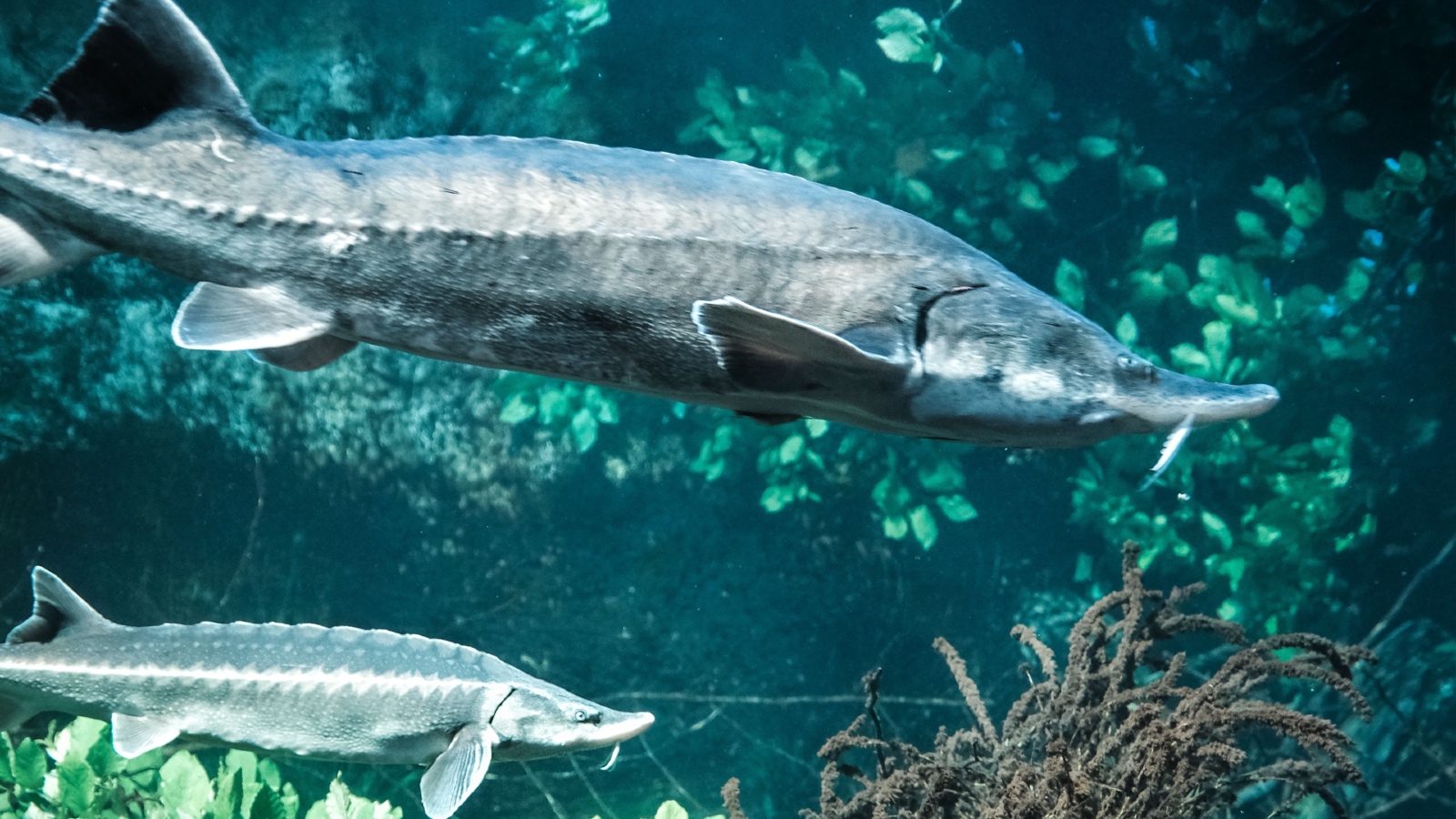
Long-living lake sturgeon could surpass 400 years
A study by Michigan and Wisconsin officials reveals that lake sturgeons, some of the largest freshwater fish in North America, may live much longer than previously thought. These ancient 'living dinosaurs' from Lake Michigan have been found to potentially outlive humans by centuries.
The research, published using 44 years of data on five populations, measured and marked the growth rate of male (63 inches) and female (71 inches) sturgeons. Scientists found that males could live between 90-279 years while females lived an average of 99 to 427 years, making them nearly as long-lived as Greenland sharks.
How researchers measured the sturgeon's lifespan
Scientists captured and marked fish before measuring them annually over four decades. The growth rate provided data for estimating lifespans. Manager Edward Baker of Michigan’s Marquette research station stated, 'We concluded that lake sturgeons live far longer lives than initially thought based on growth rings and fin ray cross sections.'
Conservation challenges
The study notes the Great Lakes sturgeon population has fallen from a staggering 2 million in historical times to less than 1% today. Human pollution and climate change threaten these ancient fish, despite not receiving full protection under the Endangered Species Act.