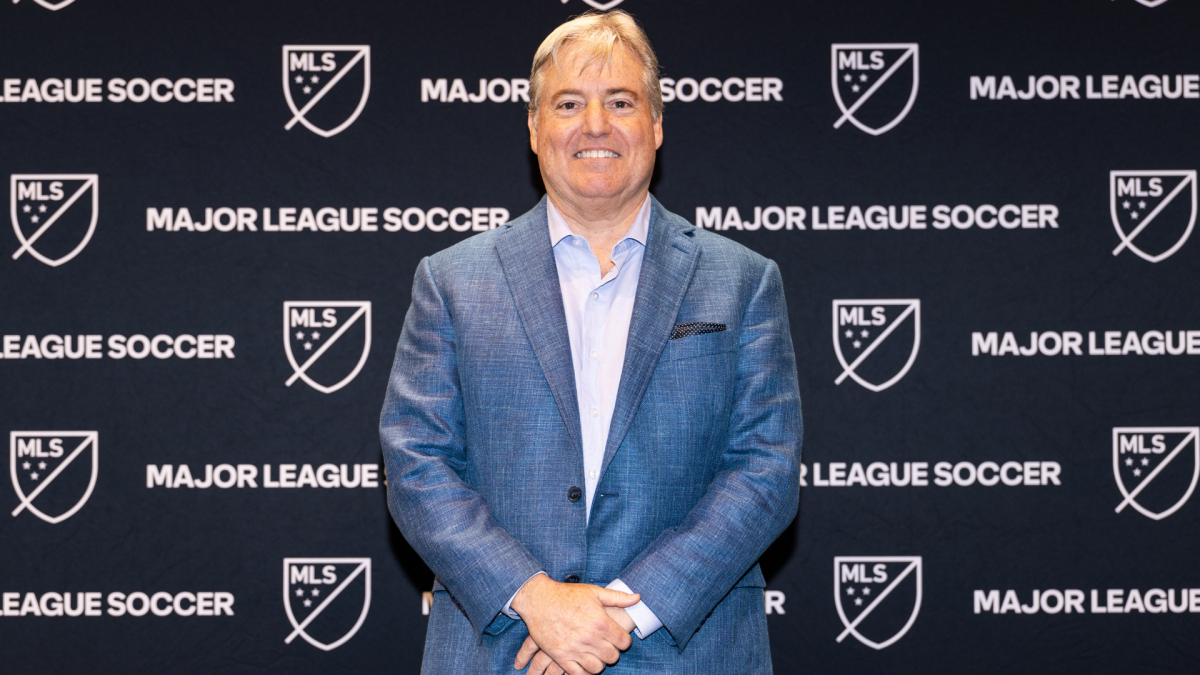
Larry Berg takes over from Don Garber with plans for roster rules reform and new competition formats
NEW YORK – Larry Berg, the incoming Major League Soccer (MLS) commissioner, aims to revitalize the league by focusing on improving field play quality and nurturing young talent. Berg, who will inherit a mature MLS after 27 years under Don Garber’s leadership, promises substantial changes in roster rules and competition formats.
Berg is eager to tackle MLS's relevancy issues, with youth development forming a cornerstone of his new approach. “Quality on the field” is his immediate priority, reflecting potential changes to the roster investment model that will require consensus among ownership groups. Berg also emphasizes the importance of bringing MLS into line with the autumn sports calendar and exploring new competition formats.
Improving Field Quality
Berg plans substantial changes in roster rules as part of his strategy to enhance the quality of play. “Roster investment model” is a key focus, requiring collective decisions among the league’s owners. This could lead to increased transfer revenues and better media coverage, creating a flywheel effect that boosts overall league performance.
Diving into Youth Development
MLS has long invested in youth academies, which have been crucial for developing talent for both national teams. Berg acknowledges the work done but sees room for improvement. “We can do more to get players more minutes at a younger age and play at higher levels,” he states.
Berg’s approach will involve leveraging his experience in private equity to facilitate discussions and make trade-offs that benefit the league’s overall performance.
Frequently Asked Questions
What immediate changes can we expect from Larry Berg?
According to Berg, focus will be on enhancing field quality by improving the roster investment model and exploring new competition formats. His key priorities include better youth development programs and ensuring MLS is relevant in a global context.
How might the new calendar affect MLS?
The move to a fall-to-spring calendar could bring MLS more in line with other professional leagues, potentially improving its visibility and relevance both domestically and internationally. Berg is keen on making these changes without compromising the success of the league’s current infrastructure.