English football introduces unprecedented law changes this season, aiming to drastically cut down on time-wasting and boost active play across all leagues.
The 2026-27 football season is poised for a significant transformation with an extensive set of new laws designed primarily to accelerate the pace of the game and reduce frustrating delays. These groundbreaking changes, first trialed at the World Cup, are now being implemented across the entire English football pyramid. From the EFL kick-off this weekend and Sunday's Community Shield clash between Arsenal and Manchester City, all the way down to Sunday league matches, fans will see a quicker, more fluid game, according to reporting by BBC Sport - Football.
While the Video Assistant Referee (VAR) system will see some adjustments, its core presence remains, unlike some of the new rules that apply universally. The overarching goal is to eliminate moments that cause fan frustration, ensuring more actual football is played without excessively long periods of added stoppage time. This approach proved effective at the World Cup in Qatar in 2022, where the ball was in play for an average of 58 minutes and three seconds (56.86% of total match time). This summer, that figure increased to 58 minutes and 16 seconds, crucially with far less added time, resulting in an impressive 60.43% of the match spent with the ball in play.
These rules aim to influence player behavior rather than serve purely as punitive measures. However, teams accustomed to using 'dark arts' to run down the clock may find these changes disadvantageous, as tactics to hold onto results by wasting time will face stricter scrutiny. Sports fans globally should pay close attention to several key areas where the new laws will make a tangible difference.
Countdown Clocks Introduced for Goal-Kicks and Throw-Ins
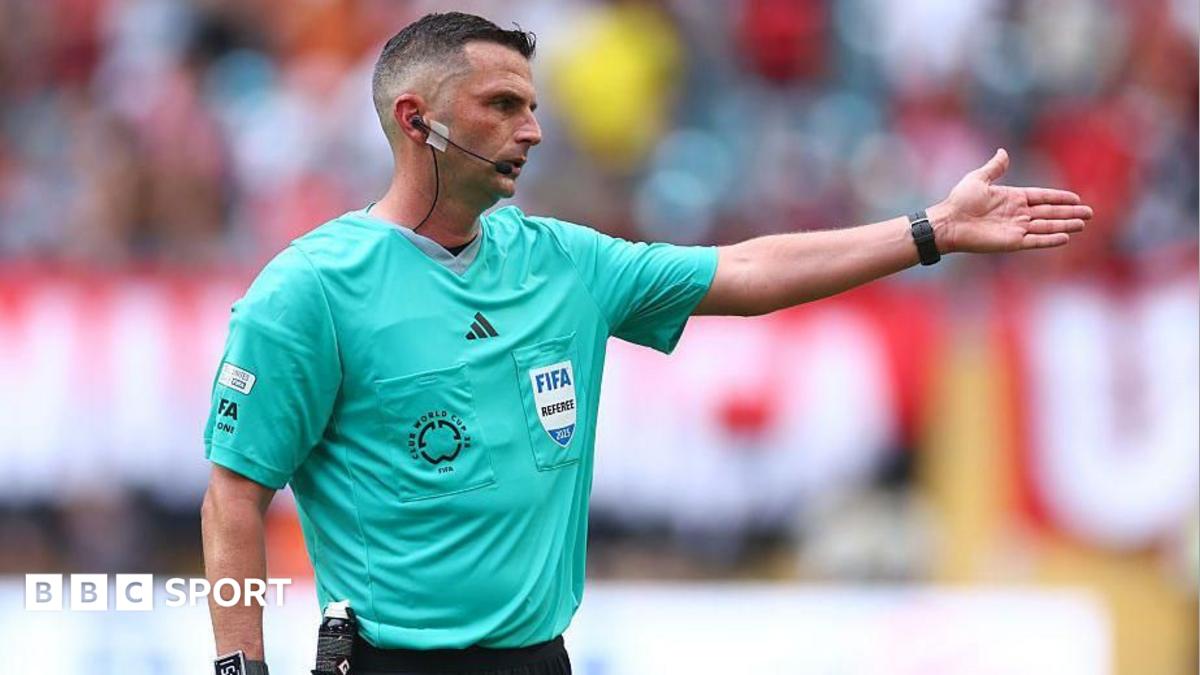
One of the most noticeable new rules tackles players who deliberately delay restarts. A visible **five-second countdown** will now commence as soon as the ball goes out of play. Any attempt to disrupt the restart, such as leaving the ball on a cone or dropping it for a teammate, could trigger the referee's whistle and the start of the countdown. The referee will signal the count visually with an arm movement.
Should the time expire, the opposing team will be awarded the throw-in or goal-kick. While this rule will not apply to long throw set-piece routines, the countdown may begin once players are in position. Furthermore, to deter goalkeepers from excessively delaying goal-kicks late in games, a new provision allows the referee to award the opposition a corner kick if the goalkeeper takes too long.
Stricter Time Limits on Player Substitutions
Substituted players now face a tight **10-second window to leave the field** at the nearest point. Failure to do so carries a significant penalty: the incoming substitute cannot enter the field for at least one minute, leaving the team to play with 10 players. This rule was dramatically showcased in the Carabao Cup when Middlesbrough's Will Lankshear, after scoring, slowly jogged off, clapping fans.
Despite Boro boss Kim Hellberg urging him to hurry, Lankshear took too long, and substitute Fin Cartwright was prevented from entering the game immediately. Lankshear, a former Tottenham player, later admitted, "I didn't know!" The substitute must remain off until the next break in play, potentially leaving a team shorthanded for several minutes. Exemptions exist for injured players or security concerns regarding exit points.
Mandatory One-Minute Off-Field for Injured Players
Fans are accustomed to seeing players stay off the field for 30 seconds after receiving treatment. This period has now been doubled, requiring injured players to remain off for a full **one minute**. The rule is also more stringent: a player must leave the field if they cause the referee to stop the game, even if they don't explicitly request treatment. This measure is designed to prevent players from strategically breaking up an opponent's momentum.
Exceptions apply if a player is down and the ball naturally goes out of play, such as for a throw-in or goal-kick. Concerns have been raised that a minute might be too long, potentially penalizing genuinely injured players. However, some crucial exemptions mitigate this: if the player who committed the foul receives a yellow or red card, the injured player is not always required to stay off, reducing the incentive for tactical fouls to gain a man advantage.
Goalkeeper Tactical Timeouts Under Scrutiny
The 'goalkeeper tactical timeout,' a common sight in recent seasons where a goalkeeper feigns injury to allow for a team talk, is now being directly addressed. All professional English football leagues and competitions will adopt a new trial to eradicate this practice. If a goalkeeper requests treatment, an outfield player, chosen by the coach, must leave the field for one minute. Coaches have a **10-second limit** to inform the fourth official who is coming off; otherwise, the captain must make the decision.
This innovative approach recognizes that simply banning players from the touchline wouldn't stop coaches from using the goalkeeper timeout to disrupt an opponent's rhythm. Other countries are testing a similar trial where the captain of the goalkeeper's team must always leave the field. Similar to outfield players, exemptions apply if a goalkeeper has been fouled or is bleeding.
Revised Rules for Handling the Ball in the Penalty Area
With the modern trend of short goal-kicks played inside the box, confusion has sometimes arisen regarding when a goal-kick is officially 'taken.' Instances like Aston Villa's Tyrone Mings conceding a penalty for handball in a November 2024 Champions League match after Emiliano Martinez kicked the ball to him, contrasted with Arsenal's Gabriel not being penalized earlier that year, highlight inconsistencies.
From this season, a **consistent approach will be applied**: if the ball is kicked by the goalkeeper or a defender, the goal-kick is immediately considered taken. Any subsequent touch of the ball with the hand or arm by a defending outfield player within the penalty area will result in a penalty kick. If it's the goalkeeper, a backpass will incur an indirect free-kick. VAR will also have new responsibilities, including reviewing second cautions leading to a red card and attacking fouls before the ball is in play, though not for subjective differences of opinion on yellow cards.
Frequently Asked Questions
When do the new football rules for the 2026-27 season come into effect?
The new rules will be implemented across all levels of English football starting with the EFL kick-off this weekend, including Sunday's Community Shield, the Premier League, and down to Sunday league matches.
What is the main goal behind the new timewasting rules?
The primary goal is to increase the amount of active play, or 'ball-in-play time,' and reduce frustrating delays caused by timewasting tactics, aiming to make the game quicker and more enjoyable for fans.
How will the countdowns for goal-kicks and throw-ins work?
A referee will visually signal a five-second countdown once the ball is out of play and a player attempts to delay the restart. If the time expires before the restart, the throw-in or goal-kick will be awarded to the opposing team.
What is the penalty for a substituted player taking too long to leave the field?
If a substituted player fails to leave the field within 10 seconds, the incoming substitute cannot enter the game for at least one minute, meaning the team must play with 10 players during that period.
How will 'goalkeeper tactical timeouts' be prevented?
Under a new trial, if a goalkeeper requests treatment, an outfield player chosen by the coach (or the captain if no choice is made within 10 seconds) must leave the field for one minute, deterring strategic stoppages for team talks.