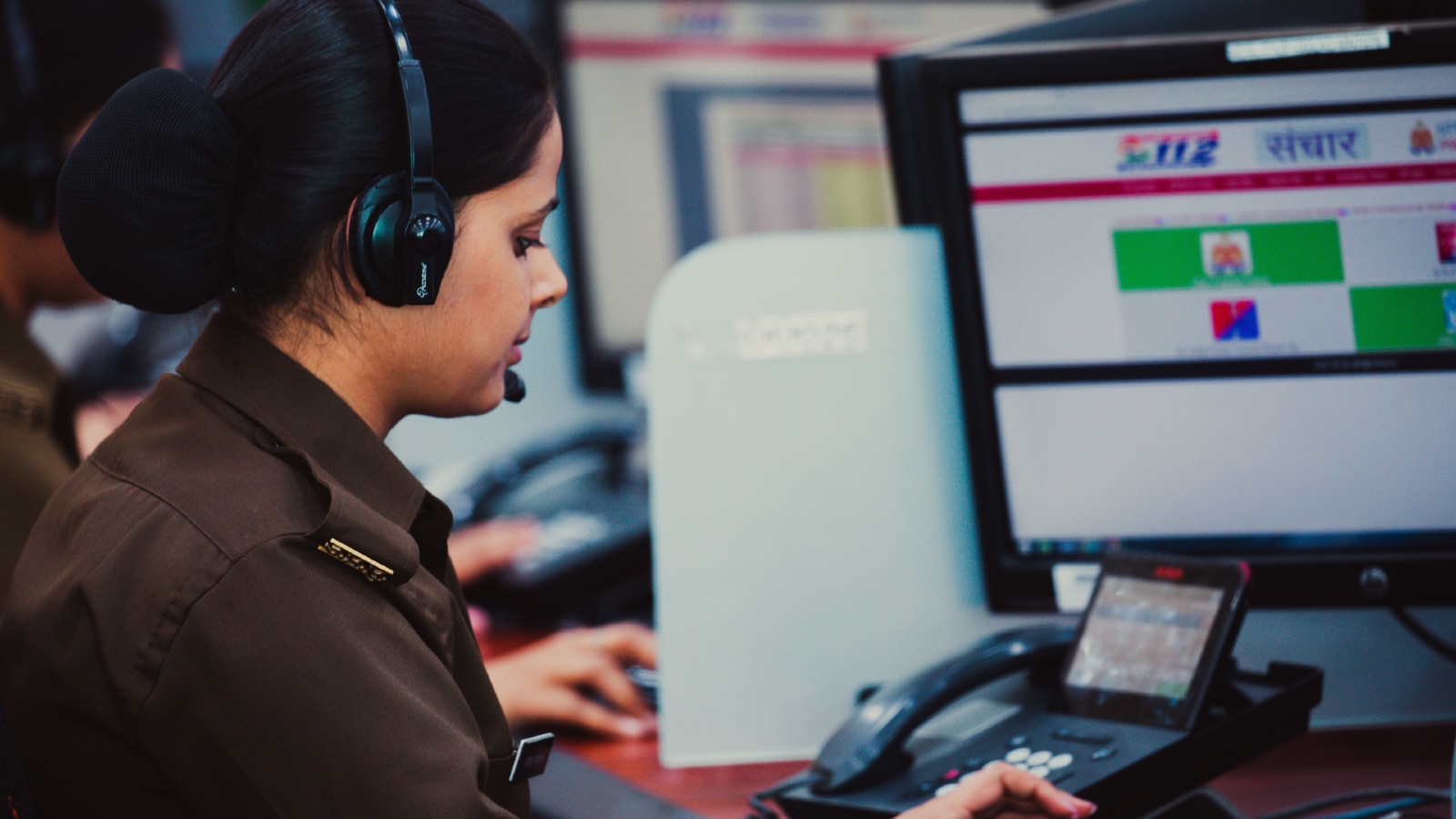
New Orleans Tests AI to Triage Emergency Calls
New Orleans is piloting a cutting-edge technology that uses artificial intelligence (AI) to handle non-emergency calls, with the goal of reducing the burden on human dispatchers. According to GovTech, this move could significantly impact response times and overall efficiency in emergency services management.
In April, The Orleans Parish Communication District (OPCD) implemented an AI system for 311 non-emergency calls, finding that half of these calls were information requests. This allowed the AI to provide immediate answers, freeing human operators for more complex issues. Now, they are testing Carbyne’s AI Emergency Call Triage for emergency calls.
New Orleans is one of the busiest cities for 911 calls in the U.S., with about 1,000 emergency calls handled daily by human dispatchers.How It Works
The system analyzes and prioritizes incoming calls, automatically routing them to an AI agent who asks if the caller is seeking information related to a specific incident. If so, they can receive updates or necessary info; otherwise, the call gets transferred to a human dispatcher.
New Orleans uses Carbyne’s AI Emergency Call Triage system to handle non-emergency 311 calls and now pilots it for emergency 911 calls.Potential Benefits
While the system aims to improve efficiency, reduce wait times, and cut costs, there are some potential downsides. The AI could develop hidden biases based on historical crime data or fail to understand callers with strong accents, potentially leading to unreliable responses.
A report by Police1 suggests that the AI might be skewed by over-policed areas or marginalized communities' criminal records, thereby reinforcing bias and systemic racism.
Frequently Asked Questions
What is Carbyne's AI Emergency Call Triage?
Carbyne’s AI Emergency Call Triage uses advanced algorithms to analyze and prioritize emergency 911 calls, reducing the workload on human dispatchers by triaging incoming calls more efficiently.
Why Test This in New Orleans?
New Orleans has one of the highest emergency call rates in the U.S., making it an ideal testing ground for this AI technology to evaluate its efficacy and impact.