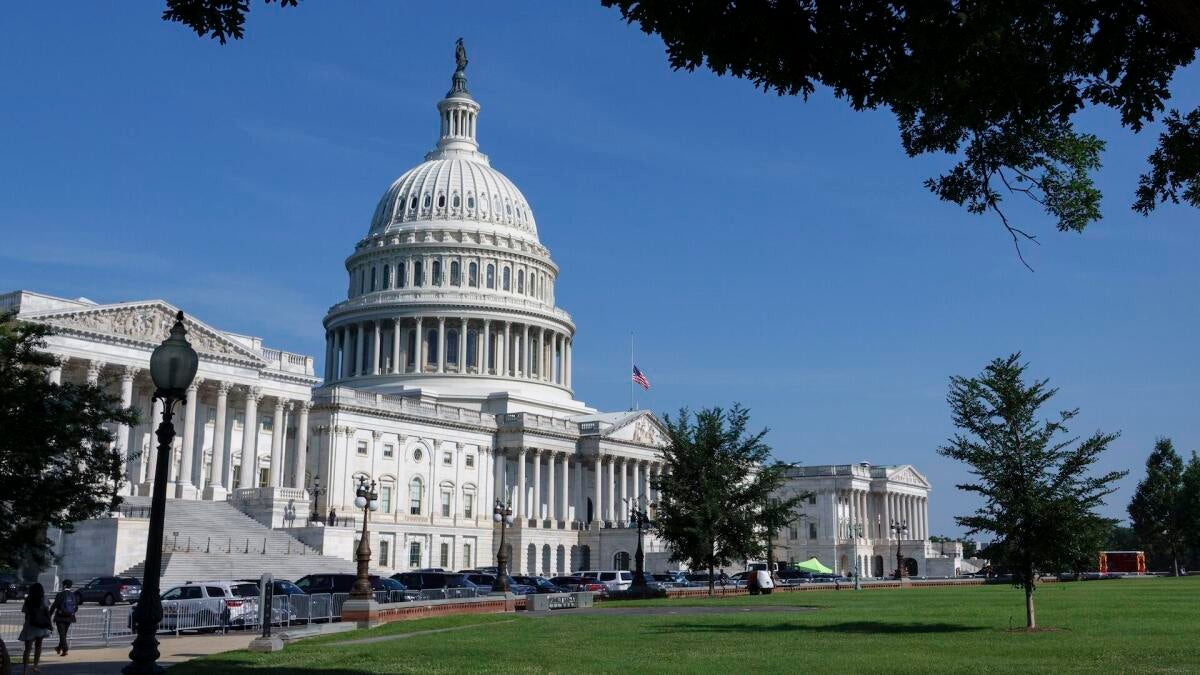
SEC and Big Ten push for changes that could reshape Power Four conferences.
Tampa, Florida --- Decision-makers are considering edits to the Protect College Sports Act that would allow Power Four conferences like the SEC and Big Ten to expand. Under new proposals, any conference seeking to add teams would need to spend at least five years as an independent program first. Notre Dame and UConn could join immediately because they already operate independently.
The proposed changes aim to stabilize conference membership while allowing for potential growth — but with significant conditions.According to sources familiar with the discussions, both conferences are proposing a 20-team cap and restructuring the path for schools to switch conferences. The SEC commissioner, Greg Sankey, emphasized that three or four key revisions remain critical for them: strengthening antitrust language and addressing lawsuits, as well as modifying a controversial media-pooling provision.
“The initial language in the bill would have prevented a merger between the two conferences to form a super league, and updated language would bar any conference reporting $700 million or more in revenue from merging with, acquiring, or absorbing another conference or its membership.” — Greg Sankey, SEC Commissioner
A Senate floor vote is scheduled for later this month. The Protect College Sports Act passed the Senate Commerce Committee and has broad support but lacks crucial backing from the SEC and Big Ten, whose concerns could determine its future.
Frequently Asked Questions
What would the new Protect College Sports Act changes allow?
The proposed changes would enable Power Four conferences to expand with conditions, such as a five-year waiting period for independent teams. Notre Dame and UConn can join immediately due to their current status.
Why are the SEC and Big Ten pushing for these changes?
The primary concerns of the SEC and Big Ten revolve around safeguarding their existing media deals and ensuring stronger antitrust protections against lawsuits.