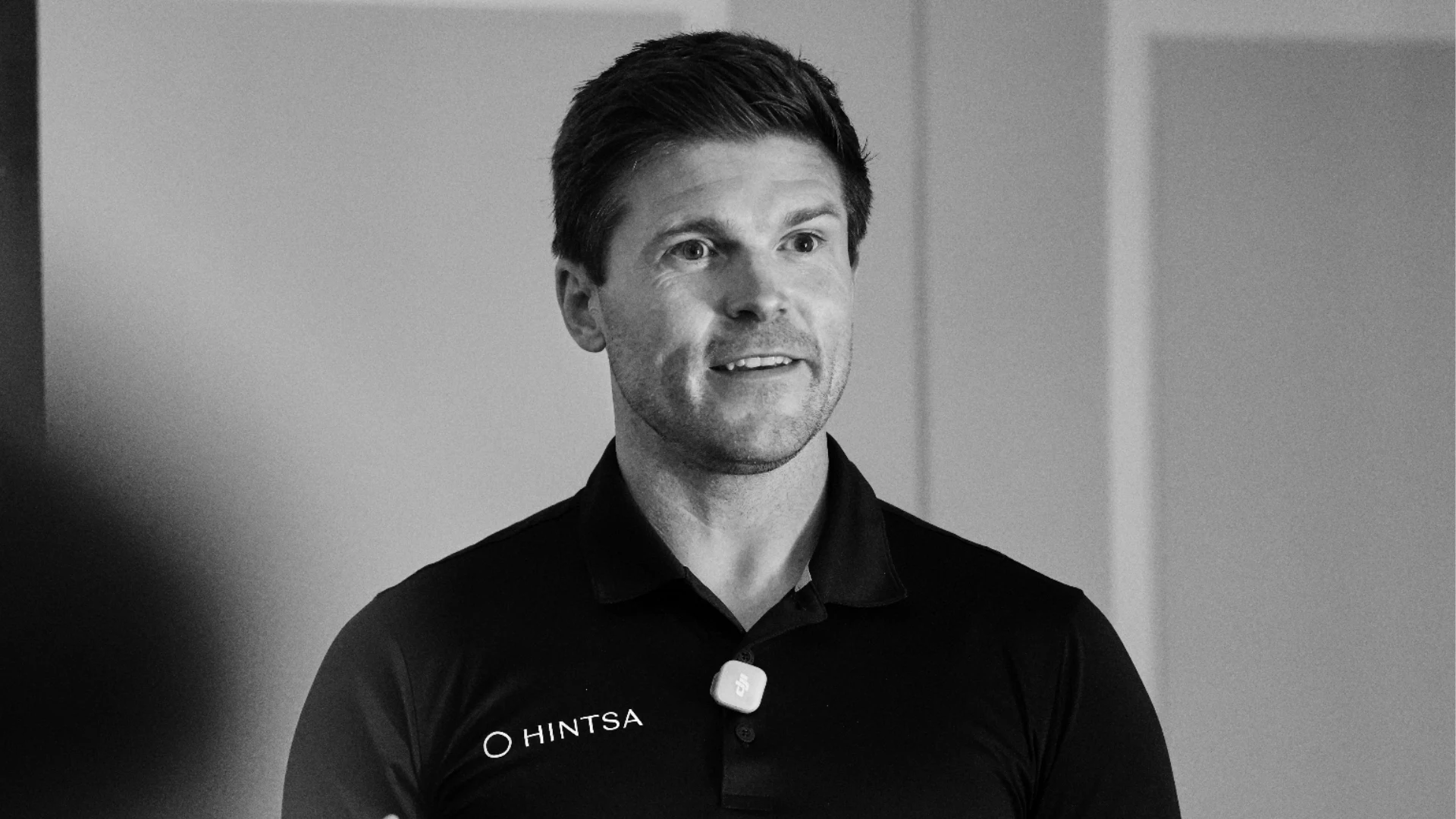
How Robbie Anderson and Hintsa Performance Assist Drivers Through High-Pressure Scenarios
Understanding the mental aspect of Formula 1 is crucial, especially as drivers navigate through the highs and lows of a season. In an insightful discussion, we explored hypothetical scenarios with psychologist Robbie Anderson from Hintsa Performance. Discover how these strategies can help in both racing and everyday life.
Achieving maximum performance requires not only physical prowess but also mental resilience. Drivers face intense pressure during races, qualifying sessions, and media commitments. We delved into various situations to see how professionals like Anderson manage the psychological challenges.
The Mental Toughness Build-Up
Anderson highlighted that building mental toughness is a continuous process. He emphasized the importance of visualization techniques and goal setting. Drivers use these tools to stay focused during critical moments on the track, ensuring they execute at their best even under pressure.
Race Day Management
Managing stress during race days was another key topic. Anderson discussed how drivers can employ breathing exercises and mindfulness to stay calm amidst intense competition. These techniques help them maintain a clear mind, making better tactical decisions on the way to the podium.
Frequently Asked Questions
How do psychologists help Formula 1 drivers manage race day pressure?
Psychologists like Robbie Anderson guide drivers through specific mental training exercises. Techniques include breathing control and visualization, which enhance focus and reduce anxiety during high-stress situations.
Can these strategies be applied to everyday life?
Definitely! Mindfulness, goal setting, and relaxation techniques are not exclusive to racing. They can help anyone manage stress in work or personal life, leading to improved overall well-being.