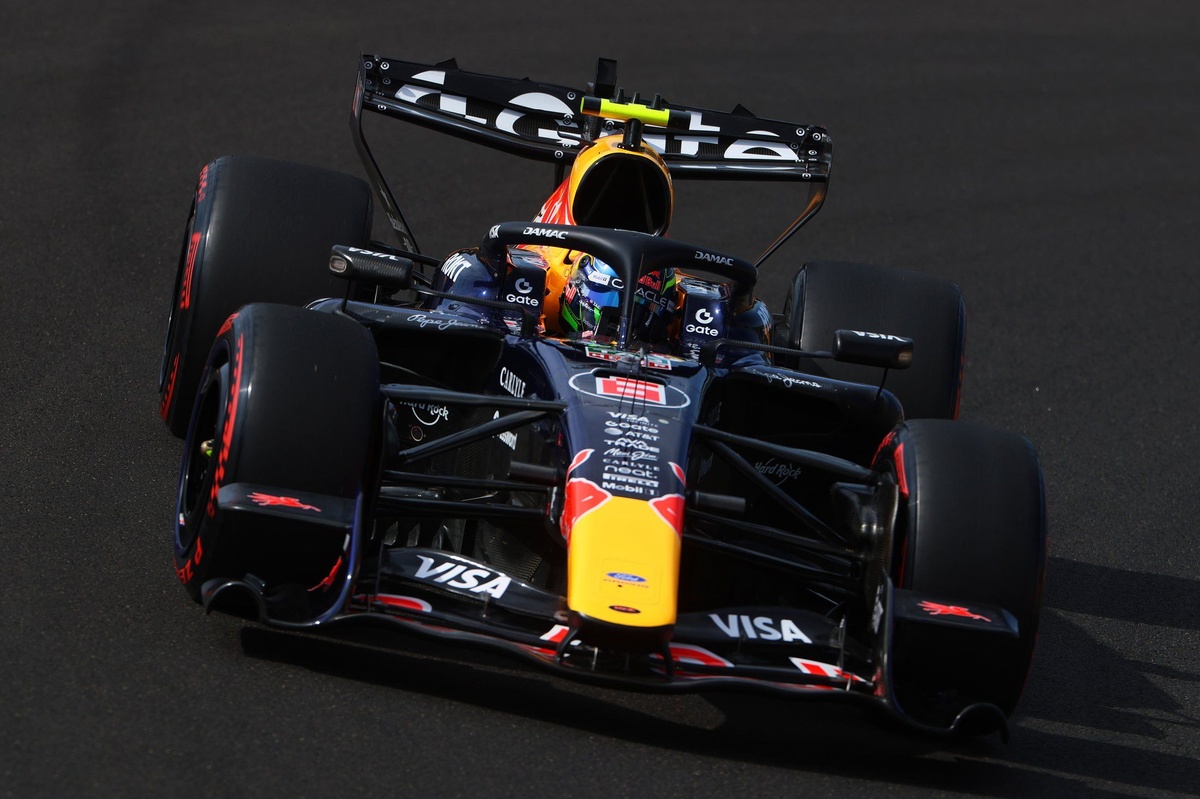
Red Bull’s Ford Powertrains Project Surpasses Expectations, Says Former Mechanic
Former Red Bull mechanic Calum Nicholas has revealed that the team's groundbreaking new partnership with Ford to develop its own power units in Formula 1 is a roaring success. While other teams may be scrambling to adjust to the upcoming 2026 regulations, Red Bull appears to have already made significant strides.
The project was launched ahead of F1’s 2026 shift towards a 50:50 split between internal combustion engines and electric power. Red Bull has taken on this task in a works partnership with Ford, aiming to secure an edge while setting the groundwork for their future in the sport.
Project Success According to Red Bull Veteran
Calum Nicholas, speaking about his experience at Red Bull, stated unequivocally that 'the project has surpassed internal expectations.' The Milton Keynes outfit's newfound capabilities are seen as a defining achievement as the sport transitions towards a hybrid future. While other teams face steep adaptation challenges, Red Bull seems to be ahead in terms of both technology and planning.
Behind-the-Scenes on Power Unit Development
Underlying this success is intensive collaboration between Red Bull’s technical department and Ford’s engineering team. The project involves a complex blend of traditional internal combustion expertise and cutting-edge battery technology, ensuring a robust and reliable power unit for F1 racers. According to Nicholas, the integration process has been smoother than anticipated, indicating promising future prospects.
Technical Details and Future Applications
Nicholas elaborated on the specifics of the project: 'The integration of Ford’s electric components with Red Bull’s combustion engine core is a testament to their combined efforts.' This innovative approach not only addresses current requirements but also paves the way for sustainable advancements in F1. As the sport evolves, teams like Red Bull appear better positioned to adapt and lead.
Frequently Asked Questions
Question?
How does the Red Bull Ford Powertrains project compare with competitors?
The Red Bull project appears more advanced, with a head start on compliance with new regulations. Their partnership allows for quicker adaptation and better resource allocation.
Question?
What challenges is Red Bull likely to face with the shift towards hybrid technology?
While advancements are promising, Red Bull must balance existing strengths in internal combustion while integrating electric components. This hybrid development process requires significant engineering prowess and financial investment.