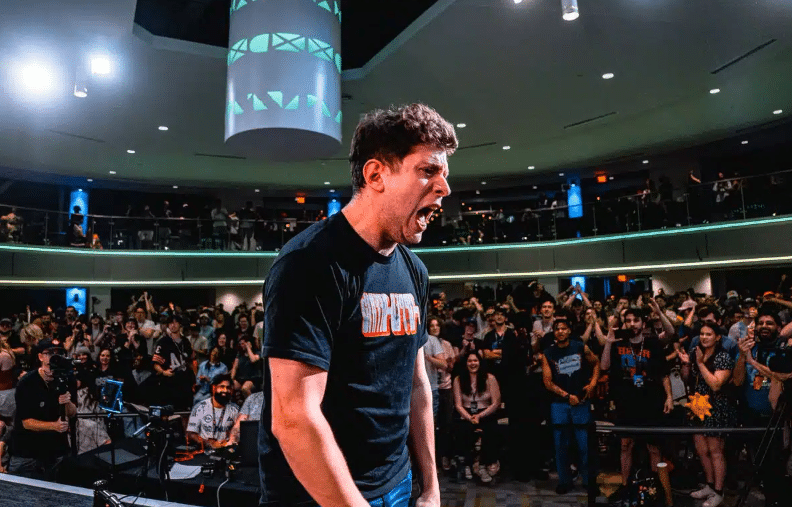
While team-based titles attract massive viewership, solo competition in fighting games offers unmatched raw drama and deeply personal rivalries.
In the high-stakes world of competitive gaming, team-based esports currently reign supreme, drawing colossal audiences and dominating the headlines. Heavy hitters like League of Legends and Counter-Strike 2 routinely pull in staggering viewership numbers, showcasing the immense appeal of synchronized squad play.
However, amidst this team-centric fervor, a compelling case is emerging for a different breed of competition: single-player esports. These solo endeavors, from intense fighting games to nail-biting speedruns, offer a unique brand of raw, high-stakes drama that traditional team sports cannot replicate.
This individualistic approach to competitive gaming, often overshadowed by its team counterparts, creates unparalleled tension and narrative depth, according to reporting by Esports Insider, making a strong argument for why single-player games truly deserve more attention in the broader esports landscape.
Unmatched Tension and Solo Accountability in Esports
Stepping onto the stage in a 1v1 game or facing a solo speedrun challenge means there is no safety net. Unlike team games where players can rely on teammates for support, strategy calls, or substitutions, single-player esports place the competitor entirely alone against their opponent and the screen.
This isolation breeds an intense pressure that team-based titles simply cannot replicate. In fighting games such as Street Fighter, Tekken, or Super Smash Bros, every single input is a critical moment. When a player makes a mistake in these solo esports, they bear 100% of the blame.
That dropped combo or missed frame skip becomes a visible burden, often seen in their expressions. This profound vulnerability makes victories feel incredibly sweet and defeats absolutely devastating. Events like Evo and Combo Breaker highlight this passion, as seen in the legendary Kemonomichi Legends LIVE match between Saul Leonardo “MenaRD” Mena II and Daigo Umehara.
MenaRD reflected on the challenge: “It’s one of the most challenging things I’ve ever done. At the end of the day, it was really important because I wanted to be at a level that would challenge him and be worth his time. He was also preparing. It made me really happy that it was worth it.” Japanese fans often compared this fierce first-to-ten event to a sword fight to the death, illustrating the profound seriousness within the fighting game community (FGC).
Enduring Personal Rivalries in Single-Player Games
While team rivalries are entertaining, the personal feuds forged in solo esports are narrative gold. In team games, rosters frequently change, with players traded and contracts expiring, often diluting long-standing organizational animosities into mere marketing campaigns.
In contrast, single-player game rivalries remain deeply personal for years. Players face the exact individual who eliminated them from a tournament months earlier, making it a pure test of skill and dominance. There is no shifting blame onto a support player or miscommunication; it's a direct confrontation.
This dynamic fuels relentless self-improvement and intense passion, creating some of the most compelling storylines in all of gaming. The storied rivalry between Juan “Hungrybox” DeBiedma and Joseph “Mang0” Marquez in Super Smash Bros. Melee is a prime example, marked by incredible on-stage competition and fierce online jabs.
An old Reddit thread highlighted this, stating: “Mang0 Hbox is the most storied active rivalry. It’s actually so sick how long they have been going. At this point, I think their head-to-head record is the most important one in Melee history. When they are both retired, their H2H results will be poured over endlessly by the GOAT debate nerds.” Other iconic duels, like Mang0 versus Jason “Mew2King” Zimmerman or the ongoing Zain versus Cody rivalry, continue to captivate fans, proving that these long-lasting, personal clashes are unique to the solo competitive scene.
The Unwavering Mental Demands of Solo Esports
Competing at a championship level alone demands an extraordinary degree of mental fortitude. Players must manage all aspects of the game themselves, including game sense, mechanics, clutch performance, and emotional regulation, often under immense pressure and for extended periods.
This challenge intensifies over time, as veterans like Tekken 8 GOAT Arslan Ash or the “Gods of Melee” demonstrate. These players, some in their 30s or older, must consistently maintain peak mechanical skill and emotional control for years, even decades, to stay at the top.
The sustained concentration required to execute intricate combos, make split-second decisions, and recover from mistakes without external aid is a testament to their dedication. This profound mental discipline is a cornerstone of success in single-player esports, separating the good from the truly legendary.
Frequently Asked Questions
Why do team-based esports currently dominate viewership?
Team-based esports dominate because they often mimic traditional sports, allowing fans to root for clubs, buy into rivalries, purchase merchandise, and follow complex team strategies, creating a familiar and engaging spectator experience.
What makes single-player esports uniquely intense?
Single-player esports offer unique intensity because there's no safety net or teammates to rely on; competitors are solely responsible for every action, leading to profound vulnerability, immense pressure, and unadulterated emotional highs and lows.
Can single-player esports generate strong rivalries?
Yes, single-player esports are known for generating deeply personal and long-lasting rivalries, as competitors directly confront the same opponents over extended periods, fostering intense narratives driven by individual skill and pride.
What are common examples of single-player esports?
Common examples of single-player esports include fighting games like Street Fighter, Tekken, and Super Smash Bros, where players compete 1v1, and competitive speedrunning, which challenges individuals to complete games as fast as possible.