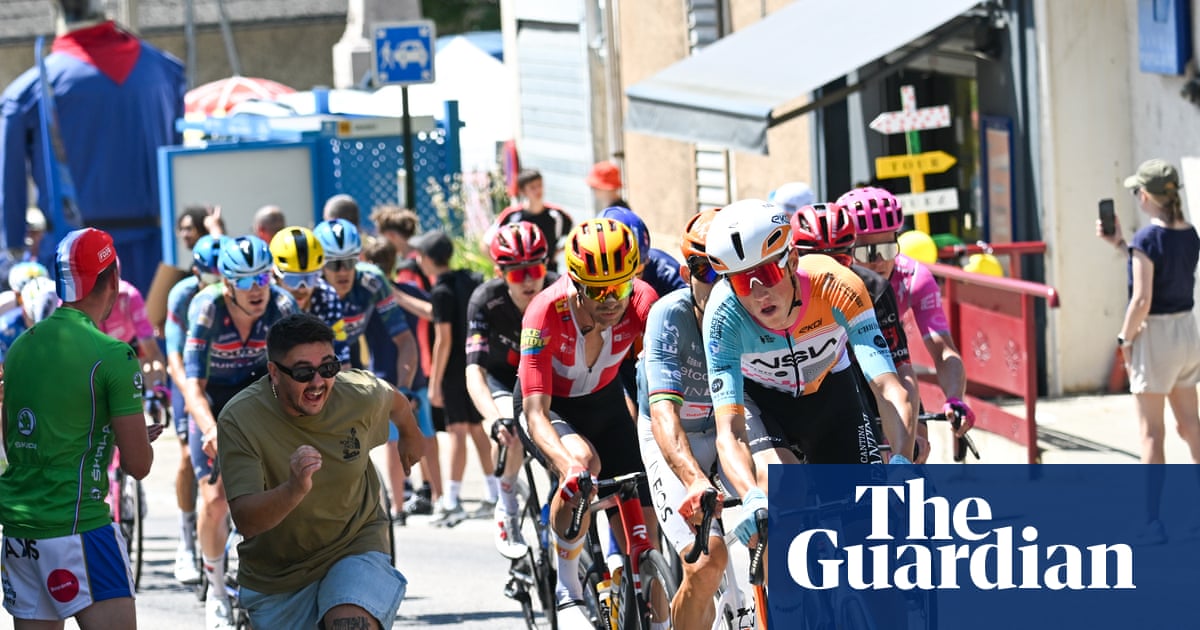
From Armstrong to Pogacar: A Behind-the-Scenes Look at Documenting Cycling’s Greatest Race
Pete Goding has been photographing the Tour de France for over two decades, capturing iconic moments from Lance Armstrong's era to Tadej Pogacar's recent record-breaking efforts. In a unique photo essay, he shares his experiences and challenges.
In this year’s Tour de France, Goding's journey began in Barcelona, where his work centered around the Sagrada Família cathedral. The stage contrasted with the narrow Alpine roads of later stages, where tight quarters required quick reflexes and a steady hand to capture riders amidst the chaos. This multifaceted role ensures that every photo captures history.
Throughout each day, Goding navigates logistical hurdles and physical challenges to deliver compelling images from the front lines:- The 2023 Tour saw reduced accreditation due to the pandemic: only nine motos were accredited this year instead of the previous eighteen.
- In Barcelona, he experimented with different lenses, including a 400mm for riders emerging from the Sagrada Família’s shadows and switching to a 24mm wide-angle lens as they approached Gaudí’s masterpiece.
- Mountains like Alpe d’Huez present unique challenges. While Richard Carapaz attacked on stage 18, Goding had to balance his camera while hanging onto the back of the bike for dear life.
How does security vary across stages?
Security is tighter than ever in Paris, with officers stationed every few meters behind barriers. This ensures that photographers and other media have a controlled environment. However, Goding’s arrival at the finish line on the Champs-Élysées shows the relaxed atmosphere, allowing for moments of personal interaction.
Why do photographers pool access?
Budget constraints necessitate pooling resources among smaller agencies to maintain access. This involves coordinating efforts and sharing images to retain privileged positions within the race’s perimeter.