Uefa and Concacaf Discuss Joint Nations League to Challenge Fifa
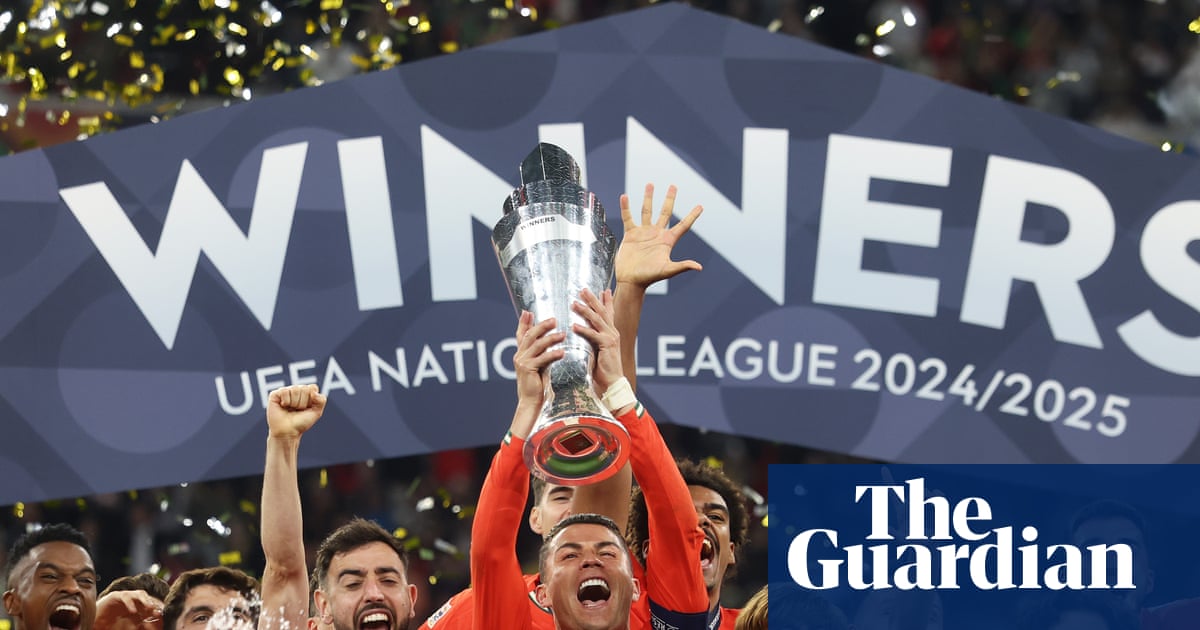
The Union of European Football Associations (UEFA) and the Confederation of North, Central America and Caribbean Association Football (CONCACAF) are set to introduce a potentially groundbreaking biennial Nations League tournament in 2028. This move is part of an ongoing challenge to FIFA, especially following controversies surrounding the World Cup sell-off.
The proposed joint tournament aims to involve all 96 member nations from both confederations. The format will mirror existing Nations Leagues, with a league phase followed by a knockout stage, culminating in a final-four championship. European strongholds like Spain and France would face North American giants such as the United States and Mexico.
According to reporting by The Guardian - Sport.New Biennial Competition Aims to Boost Global Football
The new tournament offers significant benefits, including increased revenue for smaller nations through pooled earnings. European clubs see a business opportunity, especially with the chance of playing regular matches south of the border against U.S. and Canadian teams. Mexican federation (FMF) officials have indicated willingness to participate after initial discussions about leaving Concacaf for South America.
Existential Crisis Looms for FIFA
FIFA’s president, Gianni Infantino, faces multiple challenges, including calls from confederations to reform the organization. The new Nations League initiative reflects broader efforts by UEFA and CONCACAF to assert their independence and challenge FIFA's dominance in international football.
Frequently Asked Questions
Will this new tournament require Fifa approval?
The new competition’s viability is unclear; given the existing international windows, it may not need Fifa ratification. However, this could be a moot point in light of ongoing leadership challenges within FIFA.
How many teams will participate and where will they play?
All 96 member teams from both UEFA and CONCACAF will compete. Games will take place during international breaks, reducing travel time with matches grouped geographically for convenience.