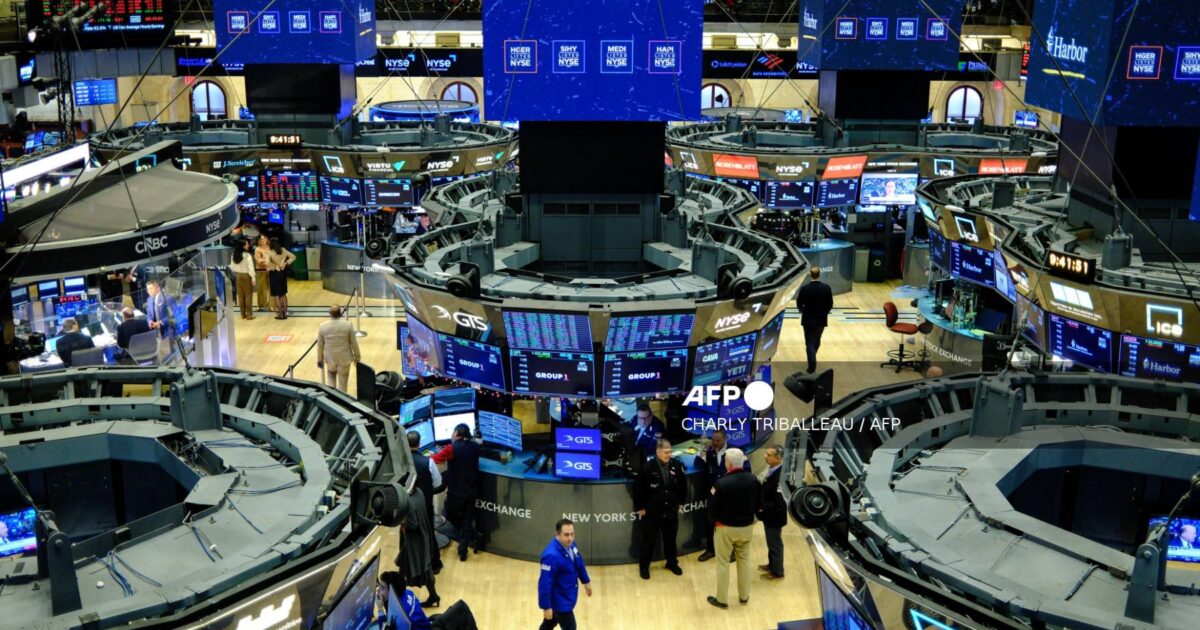
Investors are assessing Washington's strategy of "economic asphyxiation" against Tehran, impacting crude prices and the tech sector outlook worldwide.
Global financial markets experienced a mixed Tuesday, with stock values generally climbing while oil prices saw a decline. This dynamic shift occurred as investors around the world carefully considered the United States' aggressive new strategy aimed at economically isolating Iran.
The move comes amidst a six-month conflict, where the White House has announced an "economic D-Day" against the Islamic Republic. This declaration includes threats of penalties against any nation engaging in trade with Tehran, signaling a significant escalation in geopolitical tensions.
Beyond the immediate geopolitical concerns, technology firms faced challenges following a difficult day on Wall Street, with market participants eagerly awaiting the much-anticipated earnings report from chip-making giant Nvidia, a key indicator for the burgeoning artificial intelligence sector, according to reporting by Punch Nigeria - Sports.
Washington's Intensified Economic Pressure on Iran
US Treasury Secretary Scott Bessent outlined a formidable plan to achieve the "economic asphyxiation" of Iran. He declared Monday that the White House was initiating an "economic D-Day" against the Islamic Republic, vowing to hold countries accountable if they continue to trade with Tehran.
Bessent emphasized Washington's global objective, stating, "Around the globe, our objective is to sever every economic lifeline that sustains this tyrannical regime until Tehran stands alone." He also warned that nations not aligning with US sanctions would "share" in Iran's isolation. President Donald Trump has reportedly been contacting world leaders, urging them to cease interactions with Tehran.
The Treasury Department confirmed that sanctions would target Iran's digital assets, technology, gold, aviation, and shipping sectors. This aggressive economic campaign appears designed to apply maximum financial pressure without immediate military action, a strategy global strategist Stephen Innes of Quintex Intel noted, is intended to "squeeze Tehran’s access to the global financial system while keeping the pressure economic rather than allowing the market to immediately price another military escalation."
Oil Market Volatility and Inflation Fears
Oil prices reacted to Bessent's announcements, with both main contracts initially falling more than two percent on Monday, before ticking higher in early Asian trade. This volatility underscores concerns about global supply, particularly as talks to reopen the crucial Strait of Hormuz have stalled with neither side showing willingness to back down.
The ongoing tensions have pushed oil prices upwards for much of August, directly contributing to long-term inflation fears and placing considerable pressure on bond markets worldwide. Innes observed that "For now, oil appears to have heard the message that way, which is doing Washington the considerable favor of taking some inflation pressure out of the system."
Tech Sector Jitters and the AI Boom Bellwether
While most equities saw gains, tech firms generally struggled, following a negative performance on Wall Street. Investors are particularly focused on the upcoming earnings release from Nvidia, a company widely regarded as a key indicator for the artificial intelligence boom.
With substantial investments poured into AI over the past two years, markets are growing increasingly anxious about whether companies can deliver financial results that justify these high expectations. Analysts have cautioned that even strong, forecast-beating figures might not always be enough to satisfy investors.
Charu Chanana from Saxo Markets highlighted this sentiment, stating, "Investors are not simply asking whether Nvidia can deliver another strong quarter. They are asking whether it can deliver enough upside to justify already-high expectations, especially with bond yields elevated." Other significant tech earnings expected this week include Salesforce and Marvell, which will also draw considerable attention.
Central Bank Moves and Escalating Trade Tensions
Adding to the market's complex landscape, eyes will be on the annual gathering of central bankers, economists, and finance chiefs in Jackson Hole, Wyoming, later this week. Federal Reserve boss Kevin Warsh is scheduled to speak, and his comments will be meticulously analyzed for clues regarding future monetary policy.
This scrutiny comes amidst stubbornly high inflation rates and following Treasury Secretary Bessent's statement that the Treasury plans to buy back more of its own bonds. This move aims to push down borrowing costs, especially after the 30-year yield surged to a 19-year high, reflecting broader market pressures.
Meanwhile, the Canadian dollar edged slightly higher, recovering somewhat after retreating against the US dollar on Monday. This retreat was sparked by President Trump's vow to double tariffs on vehicles imported from Canada, reigniting fears of an escalating trade war between the neighboring nations after talks to avert new 50-percent US tariffs on select Canadian goods failed last Friday.
Frequently Asked Questions
What is the US "economic D-Day" plan against Iran?
The US "economic D-Day" is a comprehensive strategy announced by Treasury Secretary Scott Bessent to achieve the "economic asphyxiation" of Iran. It involves severing every economic lifeline to Tehran and sanctioning countries that continue to trade with Iran, targeting sectors like digital assets, technology, gold, aviation, and shipping.
How are oil prices reacting to the US pressure on Iran?
Oil prices initially dipped by more than two percent following the US announcements, reflecting a strategy to use economic pressure over military action. However, prices ticked higher in early Asian trade due to ongoing tensions over the Strait of Hormuz and broader inflation concerns, which have driven oil prices up for most of August.
Why are investors closely watching Nvidia's earnings?
Investors are closely watching Nvidia's earnings because the company is considered a bellwether for the artificial intelligence (AI) boom. Its performance is seen as a key indicator of whether the vast sums invested in AI over the past two years are beginning to yield tangible financial results, especially given high market expectations and elevated bond yields.
What is the significance of the Jackson Hole meeting this week?
The Jackson Hole meeting is an annual gathering of central bankers, economists, and finance chiefs where discussions often provide crucial insights into global monetary policy. Federal Reserve boss Kevin Warsh's upcoming speech will be closely scrutinized for clues about future interest rate decisions and strategies to combat persistent high inflation.
How are trade tensions impacting global markets?
Trade tensions, specifically between the US and Canada, are adding to market uncertainty. President Trump's threat to double tariffs on Canadian vehicles and the failure of recent trade talks have caused the Canadian dollar to fluctuate and raised concerns about potential trade wars, affecting currencies and economic outlooks.