National Allegiance: A Fashion Statement
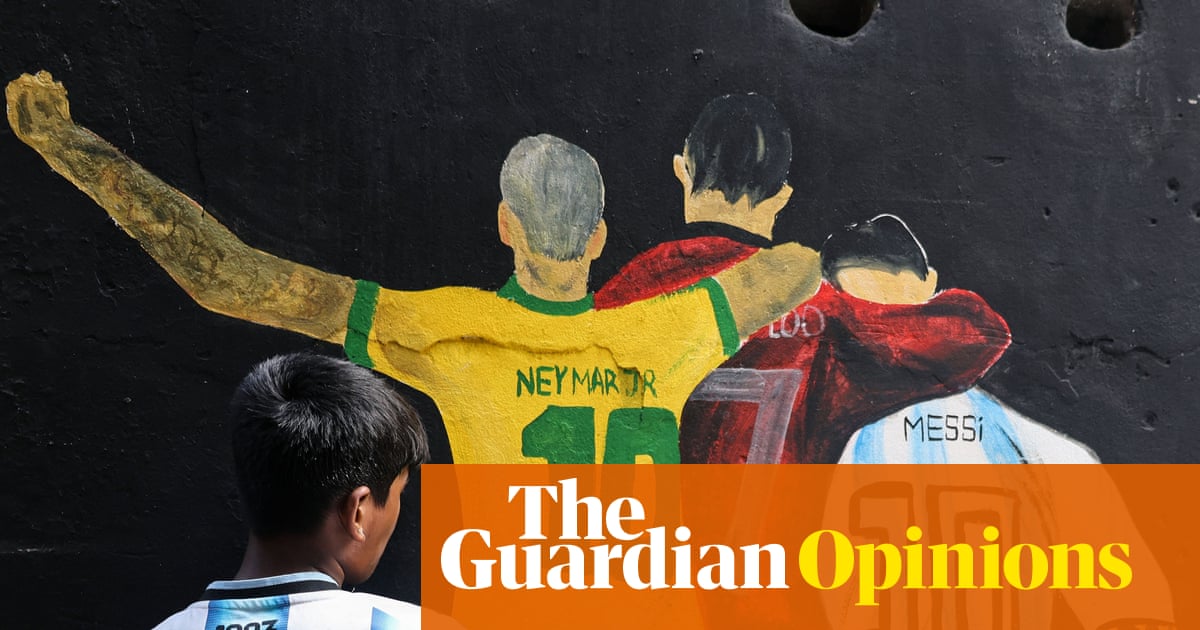
At the 2023 World Cup final, a former heavyweight champion wearing an Argentina shirt and comedian Trevor Noah supporting Spain highlighted how nations have become disposable. Overwhelming ticket sales showed an American-dominated crowd at MetLife Stadium, turning what should be about nationhood into a grand cosplay event. This trend isn’t new; for six weeks, Bangladesh went wild for Argentina, while Londoners put aside rivalries to cheer Uzbekistan. Left-leaning fans suddenly supported St George’s cross.
Global Identities Over Nationalism
This demonstrates that the concept of nationhood is increasingly flimsy. Social psychologist Michael Billig termed banal nationalism as subliminal symbols, now so common they're easily discarded like a well-worn shirt. Across Europe, far-right nationalists decry their national teams for having too many non-white players, while some leftists avoid the national kits to distance themselves from populist rightwing politicians.
Globalized Teams
Forty out of the 48 competing nations now contain players born overseas. Curaçao’s squad has only one player actually born on its island, while Cape Verde's heroes who drew Spain were scattered among Dutch cities more than their own. The modern World Cup forces us to question if national identities are just patches stitched temporarily over complex global realities.
Frequently Asked Questions
How does this impact the fan experience?
The World Cup now invites a questioning of traditional loyalties; supporters can switch allegiances based on the game rather than fixed borders or polities. This shift creates a more fluid and globally connected identity, enhancing the joy of rooting for distant nations.