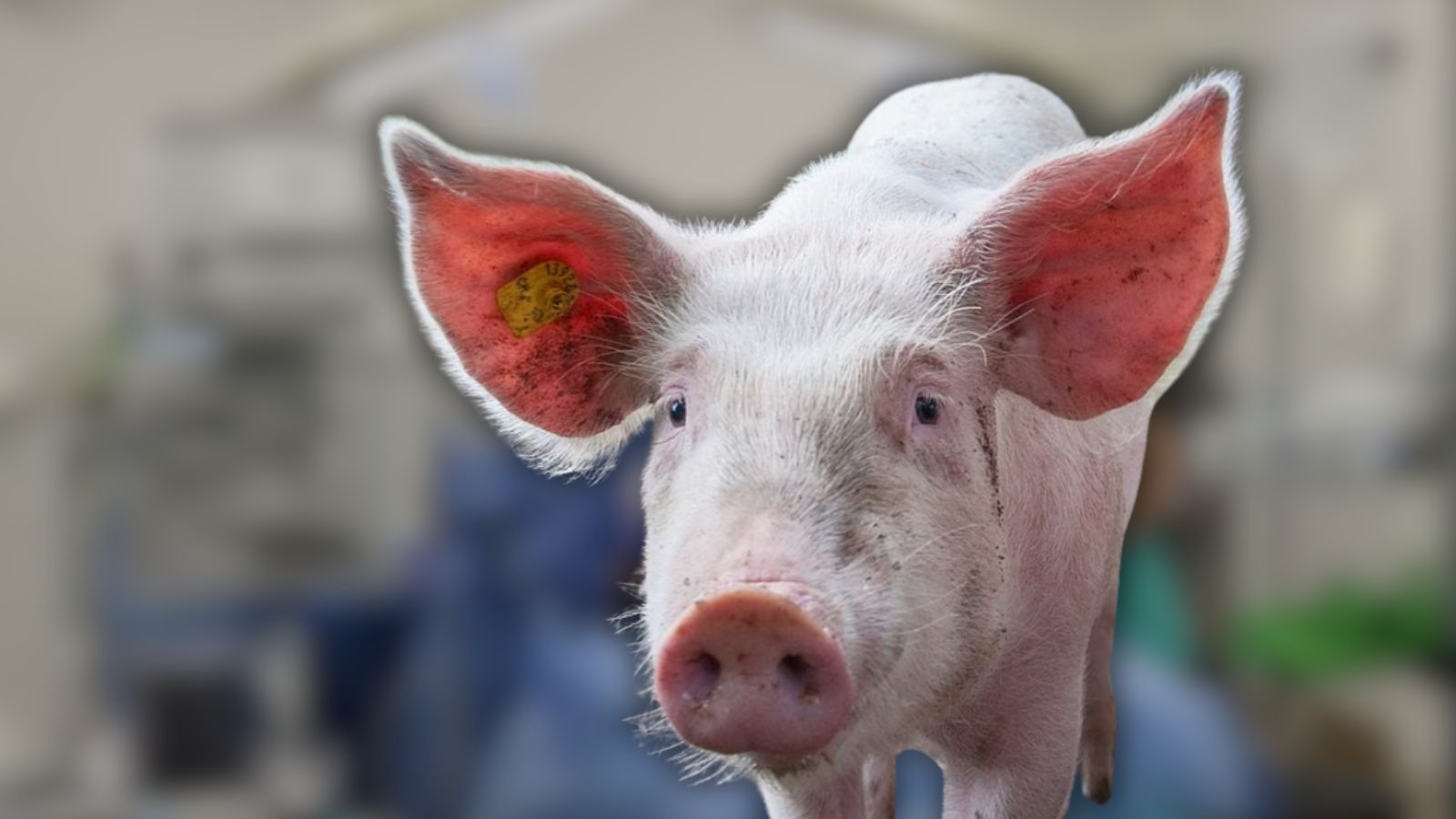
Tim Andrews' journey highlights the potential of xenotransplantation, offering crucial hope to patients facing organ shortages and long waiting lists.
In a groundbreaking medical achievement, a 66-year-old patient named Tim Andrews has shattered previous records by successfully living for 271 days with a genetically modified pig kidney. This unprecedented duration not only marked a significant milestone in the field of xenotransplantation but was also followed by a successful transition to a human donor kidney, further cementing its impact on future medical practices.
Andrews received the experimental pig kidney at Massachusetts General Hospital on January 25, 2025. His critical condition stemmed from end-stage kidney disease, a severe complication of type two diabetes. The pig kidney immediately began performing its vital functions, filtering blood and balancing bodily fluids, allowing Andrews to leave the hospital within a week of the procedure.
His remarkable recovery and resilience after the initial transplant bought him crucial time, improving his chances of receiving a human organ. This entire saga underscores the profound potential of using animal organs as a temporary or even long-term solution to the global scarcity of human donor organs, according to reporting by Dexerto - Esports & Gaming.
The Pioneering Technology Behind the Genetically Modified Pig Kidney
The innovative organ, affectionately named Wilma by Andrews, originated from a Yucatan miniature pig. Its remarkable functionality was due to extensive genetic engineering performed by biotechnology company eGenesis. Using advanced CRISPR-Cas9 technology, scientists made an astounding 69 separate genomic edits to the pig's DNA.
These modifications were critical for preventing organ rejection and improving compatibility. They involved removing genes that typically trigger a strong immune response in humans, adding human DNA sequences to help the organ evade Andrews’s immune system, and deactivating retroviruses naturally present in the pig's own genetic material. The immediate success allowed Andrews to even throw the first pitch at a Boston Red Sox game during his recovery, a testament to the procedure's initial impact.
Overcoming Complications in Xenotransplantation
Despite its initial success, the journey with the pig kidney was not without its challenges. Approximately two weeks post-transplant, Andrews experienced a rejection episode, which doctors successfully managed by adjusting his medication. Later, after about six months, his immunosuppressant dosage was reduced due to an infection, leading to vascular damage within the pig kidney.
Ultimately, the medical team decided to remove the pig kidney in October 2025. Andrews candidly reflected on this setback, stating, “Wilma and I had to give up the fight.” He then returned to dialysis for 82 days, demonstrating the pig kidney's vital role as a bridge therapy, significantly extending his life while awaiting a compatible human donor.
A Second Chance: The Successful Human Kidney Transplant
Andrews's perseverance paid off when he received a deceased human donor kidney on January 13, 2026. This subsequent transplant has proven highly successful, showing no signs of rejection across 231 days of follow-up. Before the pioneering pig kidney transplant, Andrews faced a grim nine percent chance of receiving a human kidney within five years, highlighting the life-saving impact of the xenotransplantation.
His experience offers profound hope for countless individuals on organ waiting lists. Andrews articulated this sentiment perfectly, emphasizing, “Hope is the biggest thing, the chance to be free from the machine and live your life.” His story not only marks a personal triumph but also paves the way for future medical breakthroughs in addressing the critical global organ shortage.
Frequently Asked Questions
What is xenotransplantation and how did it help Tim Andrews?
Xenotransplantation is the process of transplanting organs or tissues from one species to another. For Tim Andrews, receiving a genetically modified pig kidney allowed him to survive for 271 days, effectively bridging the time until a human donor kidney became available, which was a critical period given his advanced kidney disease.
How long did Tim Andrews' genetically modified pig kidney function?
Tim Andrews' genetically modified pig kidney functioned for a remarkable 271 days, setting a new medical record for the longest duration a pig kidney has functioned inside a human body. This period was crucial in sustaining his life while he awaited a human donor organ.
What was the significance of Andrews' pig kidney transplant?
The significance of Tim Andrews' pig kidney transplant lies in its record-breaking duration of 271 days and its role as a successful bridge therapy. It demonstrated that genetically modified animal organs can effectively sustain human life, offering immense hope for addressing the severe global shortage of human donor organs and advancing the field of transplantation medicine.
How was the pig kidney modified to prevent rejection?
The pig kidney, from a Yucatan miniature pig named Wilma, was genetically modified by eGenesis using CRISPR-Cas9 technology. Scientists made 69 genomic edits to remove genes that trigger immune rejection, add human DNA to camouflage the organ from the immune system, and disable retroviruses inherent in pig DNA.
What challenges did Tim Andrews face during his treatment?
During his treatment, Tim Andrews experienced a rejection episode two weeks after the pig kidney transplant, which was managed with medication adjustments. Later, a reduction in immunosuppressants due to infection led to vascular damage, ultimately necessitating the removal of the pig kidney and a return to dialysis before he received a human donor kidney.